Guides · Quick answers
What to buy before a power outage
One shopping list for the whole house, sorted by what to buy first. Each line links to the page that covers that category in depth.
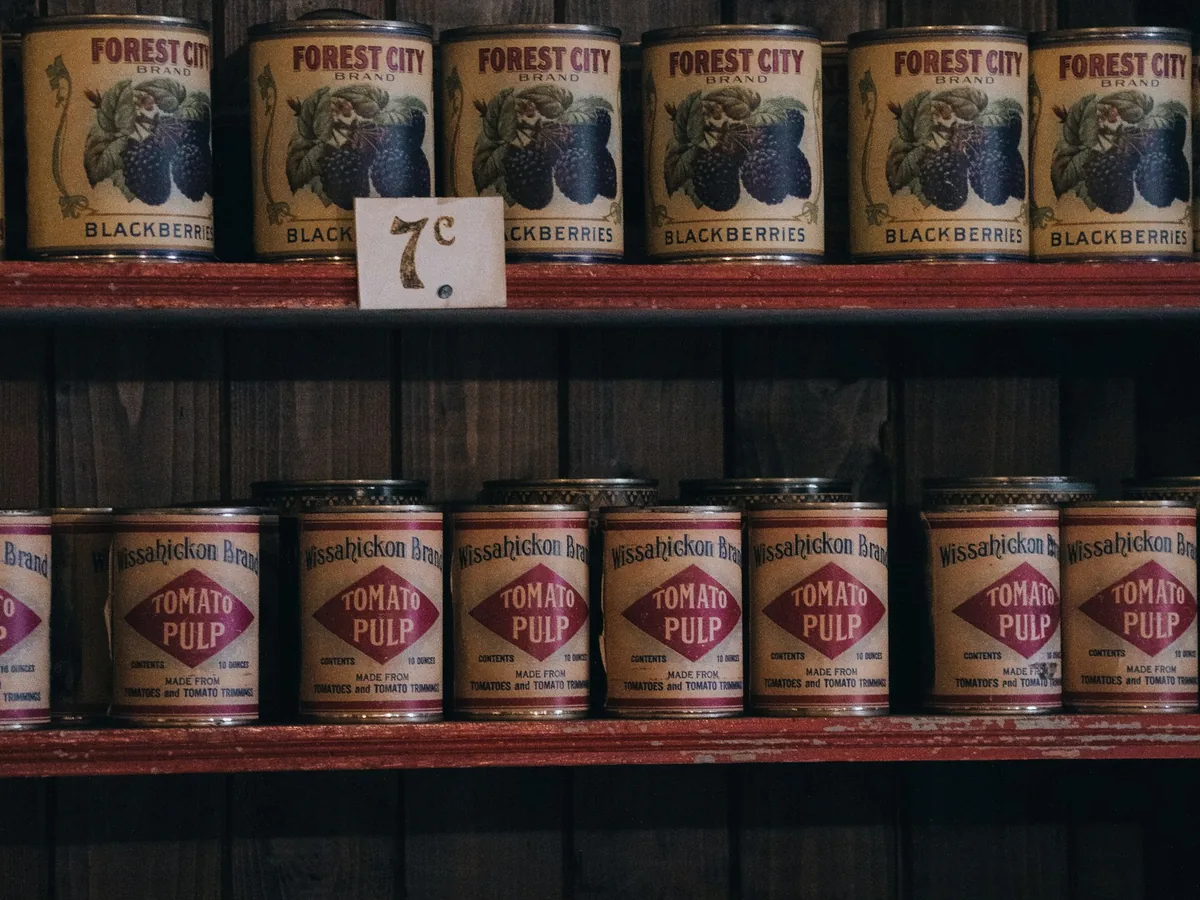
Photo: Fabian Kleiser / Unsplash
By PowerLockdown EditorialUpdated November 1, 202610 min readHow we research
In this guide
DisclosureAs an Amazon Associate we earn from qualifying purchases. We may earn a commission when you buy through links on this site, at no extra cost to you. Learn more.
The short answer
Before a power outage, buy water (1 gallon per person per day), shelf-stable food, flashlights or lanterns for every person, spare batteries, a battery or crank NOAA weather radio, a power bank, a battery-powered carbon monoxide alarm, a first aid kit, a 7-day medication supply and some cash. Then add backup power, heat or cooling.
Those basics come from Ready.gov's Build a Kit list, the American Red Cross survival kit list and CDC water guidance. Ready.gov warns that an outage can disrupt communications, water, transportation, stores, gas stations, ATMs and banks, so the time to shop is before the storm. This page is the master list; the blackout checklist is the printable version, and the readiness check scores where your household stands.
Buy in three tiers
| Tier | Target | Where the number comes from |
|---|---|---|
| First 72 hours | 3 days of water and food, light, radio, phone power, first aid, CO alarm | Red Cross: 3-day supply for evacuation; CDC: water for at least 3 days |
| 2 weeks | 2 weeks of water and food at home, backup power for the fridge or medical devices, heat or cooling | Red Cross: 2-week supply for home; CDC: try to store a 2-week water supply |
| 30 days | Water treatment, long-term food, sanitation, recharging from solar | Our planning tier for long grid-down events; see the 30-day plan |
Most outages are short. Our how long do power outages last guide covers the data, and how long can a house go without power covers what fails first. Buy tier one now, tier two over the next few months, and tier three only if your area sees long outages from hurricanes, ice storms or wildfire shutoffs.
Power outage must-haves: our top picks

No. 1Water storage
Reliance Jumbo-Tainer 2.0, 7 Gallon (08630-03)
Best for: Rigid, refillable storage you can rotate
- 7 gal / 26 L
- 15.3 × 8.5 × 18.0 in; 2.9 lb empty
- Food safe: LFGB certified and FDA compliant
- PFAS- and BPA-free
- Leak-proof hideaway spigot; dual handles
Tradeoffs
- Reliance does not list it as stackable
- About 58 lb when full (7 gal × ~8.3 lb plus container)
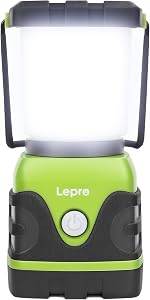
No. 2Lantern
Lepro 1500lm Battery Powered LED Camping Lantern
Best for: Bright, flame-free room light that runs on stored batteries
- 1,500 lumens, dimmable (manufacturer rating)
- Runs on 3 D alkaline batteries (not included); not rechargeable
- Up to 12 hrs at 1,500 lm (manufacturer figure)
- IPX4 water resistance; daylight, warm, full and flashing red modes
Tradeoff
- Not rechargeable, so stock spare D cells; lumen and runtime figures are self-reported.

No. 3Emergency radio
Midland ER310 Emergency Crank Weather Radio
Best for: A household weather radio with several ways to stay powered
- Power: solar, hand crank, 3,500 mAh rechargeable Li-ion, or 6 AA batteries
- NOAA weather band; alerts sound when issued on your local channel
- LED flashlight with SOS beacon
- USB output to top up a phone
Tradeoffs
- Midland notes the design dates to the early 2000s and may not charge newer phones (iPhone X and later) reliably. Weather alerts are not SAME county-coded.
- Midland's FAQ notes solar tops up a charged battery rather than reviving a dead one
- Micro-USB charging rather than USB-C

No. 4Power bank
Anker 737 Power Bank (PowerCore 24K)
Best for: High-capacity USB-C bank that can charge a laptop
- 24,000 mAh
- 140W max output
- 2× USB-C + 1× USB-A
- Smart digital display
- 630 g (22.22 oz)
Tradeoffs
- No solar input; recharge from wall or USB-C
- Heavy for a pocket

No. 5CO alarm
First Alert CO710 Carbon Monoxide Alarm with 10-Year Battery
Best for: A no-install alarm you can set on a nightstand or carry room to room
- Sealed 10-year lithium battery (no battery changes)
- Listed to UL 2034
- Backlit display: CO level, peak level and temperature
- 85 dB alarm; tabletop design
Tradeoff
- Tabletop only, and when the sealed battery ends the whole unit is replaced.

No. 6Water filter
MSR AutoFlow XL Gravity Filter 10 L
Best for: Filtering water for a whole household if tap water is unsafe
- 10 L reservoir; hang it and gravity does the filtering
- 1.75 liters per minute; cartridge rated for 1,500 liters
- 0.2-micron hollow fiber: removes bacteria (99.9999%) and protozoa (99.9%) per MSR
- Meets EPA standards and NSF Protocol P231 for bacteria and protozoa (manufacturer claim)
- 12 oz; not effective against viruses or chemicals (maker)
Tradeoffs
- Not rated for viruses or chemicals. CDC advises disinfecting filtered water when viruses are a concern, and no filter makes fuel-contaminated water safe.
- Flow slows as the bag empties

No. 7Power station
Anker SOLIX C1000 Portable Power Station
Best for: Running a fridge, lights, phones and a CPAP through a one- or two-day outage
- 1,056 Wh capacity (up to 2,112 Wh with the matching expansion battery)
- 1,800 W continuous / 2,400 W surge AC output
- LiFePO4 battery chemistry
- 6 AC outlets
- 28.44 lb
Tradeoff
- At about 28 lb it is a carry-to-the-car unit, not a grab-and-go bag item.

No. 8Indoor-safe heater
Mr. Heater Portable Buddy MH9BX
Best for: Keeping one room warm during a winter outage
- 4,000–9,000 BTU, heats up to 225 sq ft
- Oxygen depletion sensor (ODS) and tip-over auto shutoff
- Runs on a 1 lb propane cylinder
- Marketed by the maker as indoor-safe heat
Tradeoffs
- Still burns propane: crack a window for ventilation, keep a CO alarm in the same room, and expect 1 lb cylinders to empty quickly.
- Only about 3 hours per 1 lb cylinder on high, so long outages need many cylinders or the 20 lb setup
- 20 lb hose and filter are extra purchases
The power outage supplies list, by category
Water
- 72 hours: 1 gallon per person per day for drinking and sanitation (Ready.gov, CDC). A family of four needs 12 gallons.
- 2 weeks: CDC says to try for a 2-week supply. Containers and filters: water storage and filters.
- 30 days: a gravity filter and treatment drops. See water when the taps stop.
Food and cooling food
- 72 hours: shelf-stable food that needs no cooking, plus a manual can opener (Ready.gov). See best food for a power outage.
- Fridge and freezer: Ready.gov says a refrigerator keeps food cold for about four hours and a full freezer about 48 hours. Buy two appliance thermometers and read keep food safe during a power outage.
- A cooler and ice for the first day: best cooler for a power outage.
- 2 weeks and longer: emergency food kits and long-term food storage.
Cooking
- A camp stove with fuel, used outdoors only: best camping stove for a power outage.
- Methods and safety rules: how to cook without power.
Light
- Ready.gov says to have flashlights for every household member. Add a lantern per room and a headlamp per person.
- Picks: best emergency lights for a power outage and lanterns and flashlights.
- Batteries to match: best rechargeable batteries.
- Skip candles where you can: candles during a power outage explains the fire risk.
Communication and phone power
- A battery-powered or hand-crank radio with NOAA Weather Radio alerts (Ready.gov): best emergency radios.
- A power bank per adult phone: radios and power banks and how to charge your phone during a power outage.
- Keep the internet up: best battery backup for a Wi-Fi router.
Backup power
- Start with the options: how to get electricity during a power outage.
- Battery: best power station for a refrigerator. Fuel: best generator for a power outage.
- Bigger decisions: whole-house generator vs portable generator. Transfer switches and interlocks are installed by a licensed electrician.
Heat (what to buy before a winter storm)
- Sleeping bags, wool layers and blankets first; then an indoor-safe heater: indoor-safe heaters.
- Plans and ventilation rules: heating without power and winter power outage survival.
Cooling
- A battery fan: best battery operated fan for a power outage. CDC says fans help only below 90°F indoors.
- The full plan: how to stay cool without power.
Medical
- A first aid kit and a 7-day supply of medications (Red Cross). See first aid and medical prep.
- Powered devices need a battery plan: best CPAP battery backup.
- Ready.gov says to discard refrigerated medication after a day without power unless the label says otherwise, and to ask your doctor or pharmacist for a new supply.
Sanitation and hygiene
- Moist towelettes, garbage bags and plastic ties (Ready.gov), plus a bucket toilet kit: sanitation without power.
- If your water stops: how to flush a toilet without power and can you shower during a power outage.
Safety and carbon monoxide
- Ready.gov: install carbon monoxide detectors with battery backup on every level of the home. Picks: best carbon monoxide alarms.
- A fire extinguisher (Ready.gov kit list) and fresh smoke alarm batteries.
Home systems
- Basement: best battery backup for a sump pump.
- Garage: learn the manual release now. See how to open a garage door without power.
- A wrench or pliers to turn off utilities (Ready.gov).
Cash and documents
- Cash (Ready.gov kit list). Ready.gov notes that outages can shut down ATMs and banks.
- Copies of IDs, insurance policies, a medication list and proof of address (Red Cross), in a waterproof bag or saved electronically.
Buy a kit or build one
A pre-built 72-hour kit gets a go-bag by the door in one order, but most carry far less water than CDC's figure. See best emergency kit for a power outage for what kits include and what they leave out. Browse every category on the outage kit hub.
When the outage starts
Shopping is half the job. Read what to do when the power goes out and what to do when the power comes back on before you need them. Storm-specific lists: hurricane power outage prep. For a long grid-down event, see the 90-day plan.
Frequently asked questions
- What should I buy first for a power outage?
- Water (1 gallon per person per day for at least 3 days, per CDC), food that needs no cooking, a flashlight per person, spare batteries, a NOAA weather radio, a power bank, a battery CO alarm, a first aid kit, a 7-day supply of medications and cash.
- What to buy before a winter storm?
- Everything on the 72-hour list, plus warm bedding, layers and a way to stay warm safely. If you use a fuel heater, buy one approved for indoor use and a battery CO alarm. See heating without power and winter power outage survival on this site.
- How much water should I store for a power outage?
- CDC says at least 1 gallon per person per day for 3 days, and to try for a 2-week supply. For a family of four that is 12 gallons for 3 days or 56 gallons for 2 weeks.
- Do I need a generator for a power outage?
- Not for a short one. Lights, a radio and power banks cover most outages. Backup power matters if you need to keep a fridge, sump pump or medical device running. A battery power station can run indoors; a fuel generator must run outdoors at least 20 feet from windows, doors and attached garages.
- What are the essentials for a power outage at home?
- Water, food, light, a radio, phone power, a first aid kit and medications, a CO alarm, sanitation supplies and cash. The Red Cross recommends a 2-week supply of food and water at home.
Sources
- Ready.gov (FEMA), Build a Kit, updated July 1, 2026.
- Ready.gov (FEMA), Power Outages, updated June 4, 2026.
- American Red Cross, Survival Kit Supplies, accessed November 1, 2026.
- CDC, How to Create an Emergency Water Supply, June 27, 2025.
- Ready.gov (FEMA), Get Tech Ready, last updated March 13, 2026.
- CDC, About Carbon Monoxide Poisoning, reviewed October 2026.
Related guides
Gear picks
Best emergency kit for a power outage
Pre-built 72-hour kits are a fast start. Most are designed for evacuation, so a home power outage kit needs a few things they leave out.
Updated November 1, 2026 · 10 min read
Quick answers
What to do when the power goes out
A timed checklist for the first 15 minutes, the first hour and the first day of an outage, with the safety rules that prevent the injuries outages actually cause.
Updated November 1, 2026 · 7 min read
Quick answers
The best food for a power outage
Shelf-stable food you can eat straight from the can or packet, a manual can opener and enough water. Here is what to buy, how much, and what changes for babies and special diets.
Updated November 1, 2026 · 8 min read
Quick answers
How to get electricity during a power outage
When the grid is down, electricity comes from two places: energy you stored before the outage, or fuel you burn during it. Here are the options from smallest to largest, and what each one can realistically run.
Updated November 1, 2026 · 8 min read
Grid-down
The 30-day grid-down plan
What stops working in a month-long regional outage, how much to store for your household, and what to do each week until the power returns.
Updated November 1, 2026 · 8 min read