Guides · Gear picks
Best carbon monoxide alarms for power outages
Generators, fuel-burning heaters and improvised cooking make outages a high-risk time for carbon monoxide. These alarms keep working without grid power.
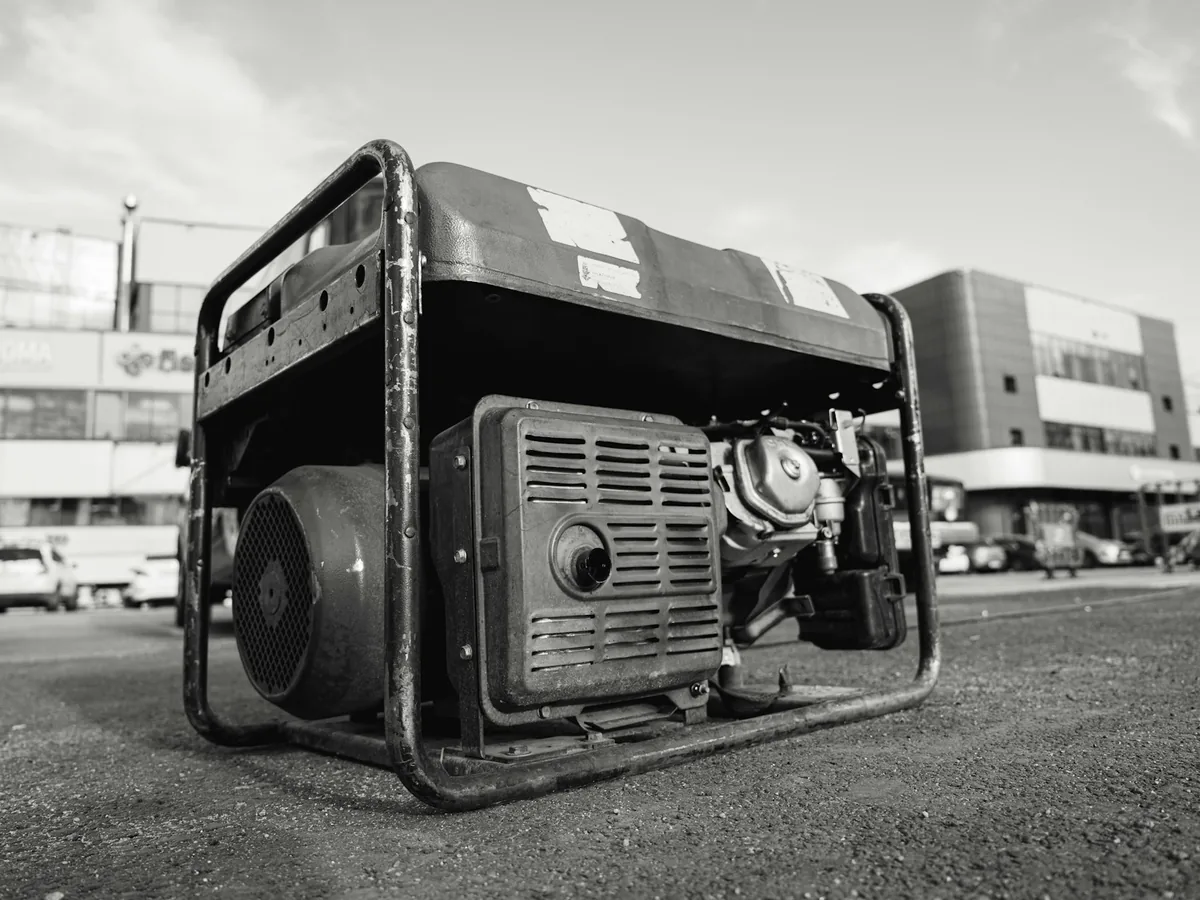
Photo: Dima Solomin / Unsplash
By PowerLockdown EditorialUpdated October 27, 20268 min readHow we research
In this guide
DisclosureAs an Amazon Associate we earn from qualifying purchases. We may earn a commission when you buy through links on this site, at no extra cost to you. Learn more.
Carbon monoxide (CO) is a colorless, odorless gas produced whenever fuel is burned. The CDC says more than 400 Americans die from unintentional CO poisoning each year, and more than 100,000 visit an emergency department. The U.S. Consumer Product Safety Commission links more than 100 deaths per year to portable generators. Power outages concentrate the risk: people run generators, use fuel-burning heaters and cook with camp stoves, often for the first time.
A CO alarm only helps during an outage if it works without grid power. A hardwired alarm without battery backup goes silent as soon as the power fails. Every pick below either runs on a sealed long-life battery or has battery backup.
Our picks at a glance
| Model | Best for | Power | Display |
|---|---|---|---|
| First Alert CO710 | Portable / nightstand use | Sealed 10-year battery | CO, peak, temperature |
| Kidde COBD10 | Bedrooms and hallways | Sealed 10-year battery | Backlit digital |
| Kidde COPD | Near garages and appliances | Outlet + AA backup | Backlit digital |
| Eton ARC Blackout Buddy CO | Alarm with built-in flashlight | Outlet + AA backup | Real-time ppm |
The picks

No. 1CO alarm
First Alert CO710 Carbon Monoxide Alarm with 10-Year Battery
Best for: A no-install alarm you can set on a nightstand or carry room to room
- Sealed 10-year lithium battery (no battery changes)
- Listed to UL 2034
- Backlit display: CO level, peak level and temperature
- 85 dB alarm; tabletop design
Tradeoff
- Tabletop only, and when the sealed battery ends the whole unit is replaced.
No. 2CO alarm
Kidde COBD10 10-Year Battery CO Alarm with Display
Best for: Set-and-forget battery alarm for bedrooms and hallways
- 10-year sealed battery, no battery replacement
- Digital display, backlit at the push of a button
- 85 dB alarm with flashing light; test/hush button
- Tabletop or wall mount; 10-year limited warranty
Tradeoff
- Not interconnected with other alarms; replace the whole unit at end of life.
No. 3CO alarm
Kidde COPD Plug-In CO Alarm with AA Backup
Best for: A low-maintenance plug-in alarm near a garage door or fuel-burning appliance
- Plug-in with AA battery backup: alkaline only (Kidde lists Energizer E91, Gold Peak 15A, Golden Power GLR6A); no lithium
- Backlit display lights up at the push of a button
- 85 dB alarm with flashing light
- Plug rotates 90 degrees to sit upright in most outlets
Tradeoff
- Not sealed, so backup batteries need replacing; outlet placement limits where it can go.
No. 4CO alarm
Eton American Red Cross Blackout Buddy CO (ARCBBCO30W)
Best for: A CO alarm with a built-in flashlight for outages
- Plugs into a 120 V outlet with replaceable AA battery backup
- Real-time CO ppm display
- Built-in LED flashlight
- ETL certified to UL 2034; 10-year lifetime; 2.9 x 5.2 x 1.5 in
Tradeoff
- Plug-in placement only, and the backup batteries need replacing. Eton does not list alarm dB or flashlight lumens.
What to look for
Works without grid power
For outages, the key question is what happens when the power goes off. Sealed 10-year battery alarms need no outlet and no battery changes, and they keep running through an outage. Plug-in alarms with battery backup switch to batteries when the power goes out, but only if those batteries are fresh. Hardwired alarms should have a battery backup too; check yours.
A digital display
A display shows the current CO level in parts per million (ppm). Some models also store a peak level, which can reveal a problem that happened while you were asleep or away. This is helpful when you are running a generator or heater and want to confirm levels stay at zero indoors.
Certification
In the US, residential CO alarms are typically listed to the UL 2034 standard. Look for the listing on the packaging or the maker's spec sheet. First Alert states UL 2034 for the CO710, and Eton states ETL certification to UL 2034 for the Blackout Buddy CO.
Combination smoke/CO alarms
Combination alarms save ceiling space, but CO and smoke have different ideal placements, and you need smoke alarms in more locations than many homes need CO alarms. Standalone CO alarms with a display are easier to read and to move near a heater during an outage.
Where to put CO alarms
- On every level of the home, and outside each sleeping area.
- In any room where you run an indoor-rated fuel heater during an outage.
- Follow the manufacturer's placement instructions: distances from fuel-burning appliances, kitchens and bathrooms vary by model.
- Check your state and local codes, which may require CO alarms in specific locations.
Outage CO safety rules
The CDC describes CO poisoning symptoms as often flu-like: headache, dizziness, weakness, upset stomach, vomiting, chest pain and confusion. People who are sleeping or have been drinking can die before they notice symptoms. If an alarm sounds, get everyone outside into fresh air immediately and call 911 or the fire department. Do not go back inside until responders say it is safe.
Pairing alarms with outage heat and power
If you plan to use an indoor-safe propane heater such as the Mr. Heater Buddy during winter outages, put a CO alarm in the same room. Our winter power outage survival guide covers ventilation and safer heating strategies. If you are choosing between a generator and a battery power station, the backup power calculator helps compare them; battery power stations produce no exhaust and can be used indoors.
Frequently asked questions
- Do carbon monoxide alarms work during a power outage?
- Battery-powered alarms (including sealed 10-year battery models) and plug-in or hardwired alarms with working battery backup keep working. Plug-in or hardwired alarms without a battery backup stop working when the power goes out.
- How far should a generator be from my house?
- Ready.gov and CPSC say at least 20 feet from windows, doors and attached garages, with the exhaust pointed away from the home. The CDC says more than 20 feet from windows, doors and vents. Never run a generator in a garage, even with the door open.
- How long do CO alarms last?
- Most CO alarms have a limited sensor life and should be replaced at the end of the period the manufacturer states. Sealed 10-year battery models are designed to be replaced as a whole unit when they reach end of life.
- Did you test these CO alarms?
- No. These are research-based picks based on manufacturer specs and published data. We do not test products.
Sources
- CDC, About Carbon Monoxide Poisoning, reviewed October 2026.
- U.S. Consumer Product Safety Commission, Carbon Monoxide Information Center, accessed October 27, 2026.
- Ready.gov (FEMA), Power Outages, updated June 4, 2026.
Related guides
Seasonal prep
Winter power outage survival
A practical plan for staying warm and safe when the power goes out in freezing weather, including the safety rules that matter most.
Updated October 27, 2026 · 8 min read
Seasonal prep
Hurricane power outage prep
Hurricanes are the biggest single driver of long US power outages. This plan covers a week or more without electricity.
Updated October 27, 2026 · 8 min read
Gear picks
Best emergency radios for power outages
Five research-based picks for hand-crank, solar and battery NOAA weather radios, chosen from manufacturer specs and published data.
Updated October 27, 2026 · 8 min read