PowerLockdown · powerlockdown.com/blackout-checklist · Updated October 27, 2026
Printable checklist · 3 layers
Blackout checklist: 72 hours, 2 weeks, 30 days
Prepare in layers. Get the 72-hour basics done first, then build toward two weeks if you live where storms, ice or wildfire shutoffs are common. Based on guidance from Ready.gov (FEMA), the CDC, CPSC and the FDA.
By PowerLockdown Editorial · Updated October 27, 2026
Prints on plain paper with tick boxes, one layer per page. Ticks made on screen are not saved.
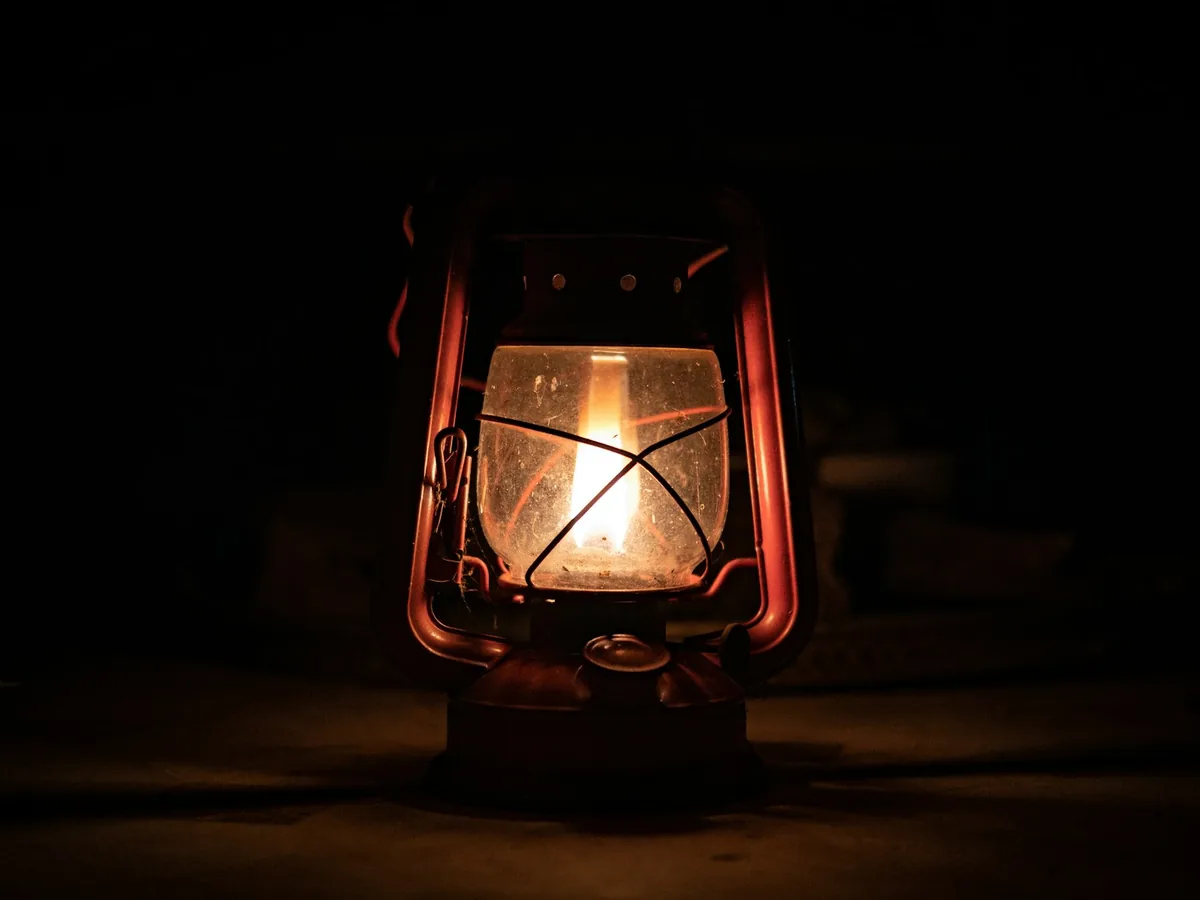
Photo: Joshua Bartell / Unsplash
72 hours: the baseline
Everyone should have this. It covers the most common long outages and the first days of a major one.
Water and food
Light and power
Information
Health and safety
Home
2 weeks: storm-prone areas
For hurricane, ice-storm and wildfire-shutoff regions, or anywhere NERC rates elevated risk. Restoration after major storms can take a week or more.
Water and food
Power
Heat and cooling
Sanitation
30 days: high exposure or medically dependent
For rural homes at the end of long lines, homes on wells, and households where someone depends on powered medical equipment.
Resilience
Medical
Community
Fill in and keep with your kit
- Utility outage number
- Out-of-area emergency contact
- Nearest shelter, warming or cooling center
- Water main shutoff location
- Medications and doses
Next steps
- Size backup power with the backup power calculator on our sister site BackupPowerAI.
- Build the full kit (heat, light, water, food, comms, first aid) with the Blackout Kit.
- Read winter outage survival, hurricane prep or wildfire shutoff prep.
Sources
- Ready.gov (FEMA), "Build a Kit," updated July 1, 2026.
- Ready.gov (FEMA), "Water," accessed October 27, 2026.
- Ready.gov (FEMA), "Power Outages," updated June 4, 2026.
- CDC, "About Carbon Monoxide Poisoning," reviewed October 2026.
- U.S. Consumer Product Safety Commission, "Carbon Monoxide Information Center," accessed October 27, 2026.
- U.S. Food and Drug Administration, "Food and Water Safety During Power Outages and Floods," current as of March 5, 2024.
- CDC, "Keep Food Safe After a Disaster or Emergency," November 24, 2025.