Guides · Gear picks
Best cooler for a power outage
A good cooler buys time once the fridge passes its four-hour limit. These five, plus a thermometer, cover a household, with every ice claim labelled as the maker's own.
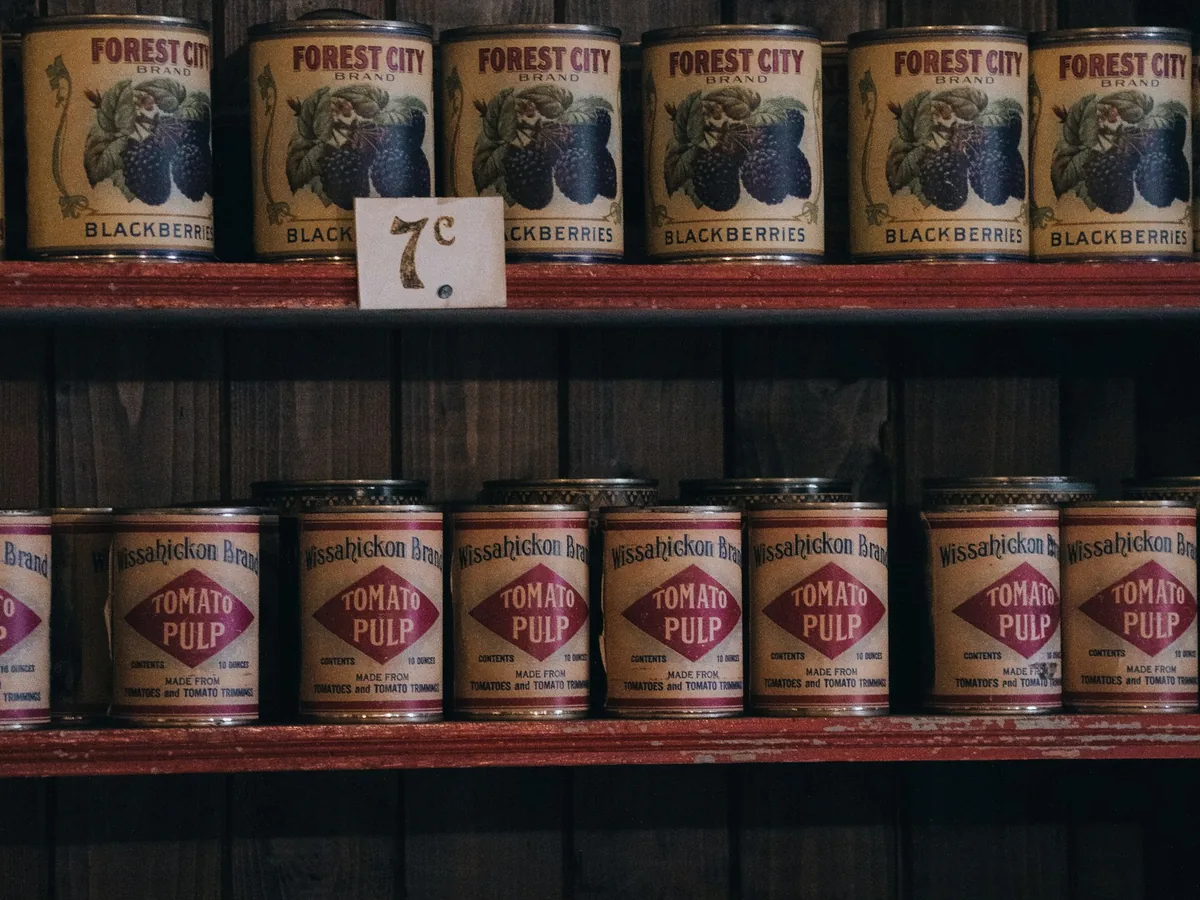
Photo: Fabian Kleiser / Unsplash
By PowerLockdown EditorialUpdated November 1, 20269 min readHow we research
In this guide
DisclosureAs an Amazon Associate we earn from qualifying purchases. We may earn a commission when you buy through links on this site, at no extra cost to you. Learn more.
The short answer
The best cooler for a power outage is a thick-walled hard cooler big enough for your fridge's perishables, such as the YETI Tundra 65 or RTIC 52 QT Ultra-Light, packed with block ice. USDA says food in a cooler must stay at 40°F or below, so ice and a thermometer matter as much as the cooler.
At a glance
| Cooler | Best for | Capacity (maker) | Ice claim (maker) | Insulation (maker) |
|---|---|---|---|---|
| YETI Tundra 65 | Toughest build | 77 cans or 58 lb ice | None stated | Up to 3 in. PermaFrost polyurethane |
| RTIC 52 QT Ultra-Light | Long claim, lighter carry | 76 cans or 51 lb ice | Up to 7 days with RTIC's tips | Up to 3 in. closed-cell foam |
| Pelican 50QT Elite | Lifetime warranty | 38 cans or 47 lb ice | "Cold for days" | 2 in. |
| Coleman Classic Series 62 Qt | Budget wheeled | 50 cans or 26 lb ice | Up to 6 days at up to 90°F | TempLock FX |
| Igloo Sunset Glide 110 Qt | Emptying a full fridge | 168 cans | "MaxCold 5 Day" | THERMECOOL |
The picks
No. 1Cooler
YETI Tundra 65 Hard Cooler
Best for: The toughest build for repeated multi-day outages
- Fits 77 cans (only) or 58 lb of ice (only)
- Up to 3 in. of PermaFrost pressure-injected polyurethane insulation
- IGBC bear-resistant when used with specified padlocks
- Removable dry goods basket included; 5-year warranty
- 30.3 lb empty; interior 23.3 × 10.7 × 11.3 in
Tradeoffs
- YETI's page states no number of days of ice retention
- Heavy and expensive for its size; no wheels
No. 2Cooler
RTIC 52 QT Ultra-Light Cooler
Best for: Long ice claims at a lighter carry weight
- Maker claim: holds cold up to 7 days when following RTIC's cooling tips
- Up to 3 in. closed-cell foam insulation; freezer-style gasket
- 76 cans (no ice) or 51 lb of ice
- 21 lb empty; interior 21.25 × 12 × 12 in
Tradeoffs
- Ice claim depends on RTIC's own pre-chill and packing tips
- Basket and divider sold separately
No. 3Cooler
Pelican 50QT Elite Cooler
Best for: A lifetime-warranty cooler that doubles as a seat
- 2 in. insulation thickness; maker says it keeps contents cold for days
- 38 cans or 47 lb of ice
- 26.39 lb; 30 × 20.3 × 20.4 in exterior
- Press & Pull latches; molded-in lock hasp
- Limited lifetime warranty
- 52 qt (50.03 L) volume; interior 17.5 × 11 × 13.7 in
Tradeoffs
- No specific ice-retention figure on the maker's page
- Small can capacity for its exterior size
No. 4Cooler
Coleman Classic Series 62-Quart Wheeled Cooler (5859)
Best for: Budget wheeled cooler with a long ice claim
- Maker claim: keeps ice up to 6 days at temperatures up to 90°F
- Insulated lid and body
- Holds up to 101 cans per the feature list; the spec table says 50 cans
- 14.7 lb; 28.2 × 15 × 18 in; wheels and tow handle
- 1-year warranty
- Interior 23.4 × 11.6 × 14.9 in (Coleman care page)
Tradeoffs
- Ice claim has no stated test conditions beyond the 90°F figure
- Thinner-walled than rotomolded coolers
No. 5Food safety
Igloo Sunset Glide 110 Qt Cooler
Best for: Emptying a full fridge into one cooler
- MaxCold insulation; manufacturer claims "MaxCold 5 Day performance"
- Holds 168 12-oz cans
- 25.4 lb; 39.7 × 18.6 × 19.7 in
- Telescoping handle and wheels
Tradeoffs
- Ice-retention claim has no stated test conditions
- Large and heavy to store
No. 6Food safety
Rubbermaid Commercial Refrigerator/Freezer Thermometer (FGR80DC)
Best for: Checking both the 40°F and 0°F thresholds
- Range −20°F to 80°F; reads °F and °C
- Easy-to-read dial; hangs or stands
- NSF listed
- 3-year limited warranty
Tradeoffs
- Analog dial without safe-zone markings
- No alarm or temperature log
No. 7Food safety
Taylor Fridge/Freezer Thermometer (5924)
Best for: Quick safe/unsafe check at a glance
- 3" color dial
- Safe temperature zone indicators
- Hangs or stands
- NSF certified
Tradeoffs
- Manufacturer page does not list the temperature range
- Analog; no alarm
More detail on the top two: read the full YETI Tundra 65 review and the RTIC 52 QT Ultra-Light review.
When the cooler comes out
USDA's Food Safety and Inspection Service says a closed refrigerator keeps food safe for up to 4 hours. A full freezer holds its temperature for about 48 hours, or 24 hours if half full. Once the fridge passes 4 hours, move perishables into a cooler with ice or frozen gel packs. Our food safety page owns the full fridge and freezer rules and the discard list.
How to keep food cold without electricity
- 01Prepare before the storm. FSIS advises having a large insulated cooler and frozen gel packs on hand, and keeping the freezer full with frozen jugs of water. Those jugs become cooler ice later.
- 02Leave the fridge shut for the first 4 hours. Every opening lets cold air out.
- 03Pack the cooler cold. Put ice on the bottom, the meat, poultry and dairy next, then more ice on top. Group food tightly.
- 04Use enough ice. FSIS: make sure there is enough ice to keep food in the cooler at 40°F or below, and add more as it melts.
- 05Check the temperature. Put a fridge thermometer inside the cooler and read it each time you open the lid.
- 06Split drinks from food. A separate drinks cooler stops the food cooler being opened all day.
- 07Keep it in the shade. Indoors in the coolest room, or a shaded spot outside, off hot pavement.
Block ice, dry ice and snow
Block ice
FSIS says to find out in advance where dry ice and block ice are sold, and to get some if the power will be out for a long time. Blocks have less surface area than cubes, so they melt more slowly. Frozen water jugs work the same way and give you drinking water as they melt.
Dry ice
FSIS says 50 pounds of dry ice should hold an 18-cubic-foot freezer for 2 days, and warns: do not touch dry ice with bare hands or place it in direct contact with food. Dry ice turns into carbon dioxide gas. A CDC report from Hurricane Ivan in 2004 describes a man who lost consciousness after driving with 100 pounds of dry ice in a closed pickup cab with the air on recirculate. The report advises keeping dry ice in an insulated box or a well-ventilated space.
- Carry dry ice in the truck bed or with windows open, never in a closed cab.
- Handle it with thick gloves.
- Wrap it in paper and keep it from touching food.
- Do not seal it in an airtight container; the gas needs somewhere to go.
- Store the cooler in a ventilated space, not a closed closet or small room where people sleep.
Snow
FSIS says not to put perishable food out in the snow: outdoor temperatures vary and animals get into it. Instead, fill buckets, milk jugs or cans with water, leave them outside to freeze, and use that ice in the fridge, freezer or cooler.
What to look for
Best cooler for ice retention: wall thickness and a gasket
Thicker insulation and a freezer-style gasket slow heat getting in. YETI and RTIC both state up to 3 inches of insulation; Pelican states 2 inches. Rotomolded and similar heavy-walled coolers usually trade weight and cost for longer ice life.
Size to your fridge, not your camping trip
An outage cooler holds the meat, dairy and leftovers from a fridge, plus ice. A 50 to 65 quart cooler suits a typical fridge's perishables for a small household. The Igloo 110 Qt is for emptying a large, full fridge. Bigger is not better if you cannot fill it with ice: empty air warms faster.
Wheels and drain
A loaded cooler is heavy. Wheels (Coleman, Igloo) help if you are moving it between rooms or to a car. A drain plug lets you remove meltwater without unpacking.
How to read ice claims
Makers measure ice retention under their own conditions: pre-chilled coolers, full ice loads, shade, closed lids. RTIC ties its 7-day claim to its own cooling tips; Coleman says up to 6 days at temperatures as high as 90°F; YETI and Pelican give no day count. Expect less in a real outage with the lid opening several times a day. The thermometer, not the brochure, decides.
Honest tradeoffs
- Premium coolers cost several times what a budget wheeled cooler costs. For an occasional half-day outage, the cheaper cooler plus more ice is a fair choice.
- The YETI is heavy before you add ice and has no wheels.
- Large coolers take space in a garage or closet the rest of the year.
- No cooler replaces power for medicine that needs refrigeration; see our medical prep page and plan backup power with a power station for a refrigerator.
Frequently asked questions
- What is the best cooler for a power outage?
- A thick-walled hard cooler sized to your fridge's perishables. Our research-based picks are the YETI Tundra 65 for build quality and the RTIC 52 QT Ultra-Light for a long maker ice claim (up to 7 days with RTIC's tips) at a lighter weight.
- How do I keep food cold without power?
- Keep the fridge closed for the first 4 hours (USDA FSIS), then move perishables to a cooler with ice or frozen gel packs. Keep the cooler at 40°F or below, add ice as it melts and check with a thermometer.
- How long will a cooler keep food safe during a power outage?
- As long as the food stays at 40°F or below. That depends on the cooler, the amount of ice and how often you open it. Maker claims range from a few days to about a week under their own conditions, so check the temperature rather than counting days.
- Can I use dry ice in a cooler?
- Yes, with care. USDA FSIS says not to touch it with bare hands or let it contact food. It releases carbon dioxide gas, so keep it in a ventilated space and never transport it in a closed car cab.
- Can I put food outside in the snow during a power outage?
- USDA FSIS advises against it because outdoor temperatures vary and animals can get to the food. Freeze containers of water outside and use that ice instead.
Sources
- USDA Food Safety and Inspection Service, Keep Your Food Safe During Emergencies: Power Outages, Floods & Fires, accessed November 1, 2026.
- U.S. Food and Drug Administration, Food and Water Safety During Power Outages and Floods, current as of March 5, 2024.
- Ready.gov (FEMA), Power Outages, updated June 4, 2026.
- CDC, Morbidity and Mortality Weekly Report, Acute Illness from Dry Ice Exposure During Hurricane Ivan, Alabama, 2004, December 2004.
- YETI, Tundra 65 Hard Cooler, accessed November 1, 2026.
- RTIC Outdoors, 52 QT Ultra-Light Cooler, accessed November 1, 2026.
- Pelican, 50QT Elite Cooler, accessed November 1, 2026.
- Coleman, Classic Series 62-Quart Wheeled Cooler, accessed November 1, 2026.
- Igloo, Sunset Glide 110 Qt Cooler, accessed October 27, 2026.
Related guides
Quick answers
The best food for a power outage
Shelf-stable food you can eat straight from the can or packet, a manual can opener and enough water. Here is what to buy, how much, and what changes for babies and special diets.
Updated November 1, 2026 · 8 min read
Quick answers
How to cook without power
A gas cooktop, an outdoor camp stove and a no-cook pantry cover most outages. The one rule that never bends: fuel-burning cookers that are not built into your kitchen stay outside.
Updated November 1, 2026 · 8 min read
Gear picks
Best power station for refrigerator backup
A fridge is the appliance most households want to save first. Size the station for the compressor's startup surge and a day of cycling, and it is one of the easier loads to back up.
Updated November 1, 2026 · 9 min read
Seasonal prep
Hurricane power outage prep
Hurricanes are the biggest single driver of long US power outages. This plan covers a week or more without electricity.
Updated October 27, 2026 · 8 min read
Quick answers
How long can a house go without power
A house does not fail all at once. The fridge goes first, then water and medicine, then temperature. This timeline shows which system runs out when, and what extends each one.
Updated November 1, 2026 · 8 min read