Blackout Kit · Comms
Emergency Communication: Weather Radios and Power Banks
A NOAA weather alert radio that needs no outlet, and power banks sized to keep phones running for days.
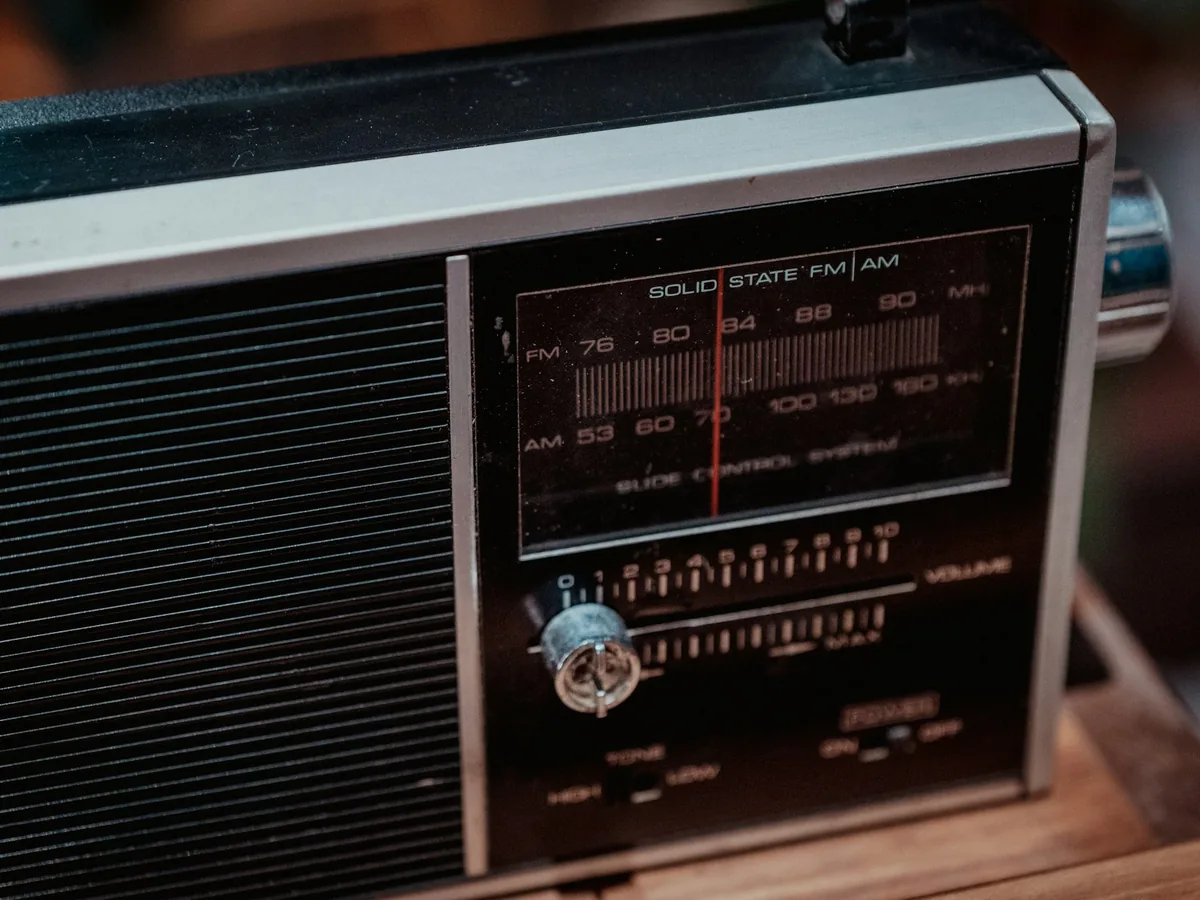
Photo: Sung Jin Cho / Unsplash
By PowerLockdown EditorialUpdated October 27, 20263 min readHow we research
In this guide
DisclosureAs an Amazon Associate we earn from qualifying purchases. We may earn a commission when you buy through links on this site, at no extra cost to you. Learn more.
In a long outage the phone carries news, light and family calls, and it is usually the first device to run flat. Ready.gov's kit list includes both a battery-powered or hand-crank radio with a NOAA Weather Radio tone alert and a cell phone with chargers and a backup battery.
This guide covers both. Picks are research-based from manufacturer specs and published data; we do not test products.
Why a radio still matters
When cell networks are congested or towers lose backup power, broadcast radio keeps working. NOAA Weather Radio broadcasts official warnings and forecasts, and radios with an alert function can sound automatically when a warning is issued for your area.
For outages, the most useful radios have several power sources: an internal rechargeable battery, a hand crank, a small solar panel and ideally a backup slot for standard AA batteries. Many also include a flashlight and a USB port to top up a phone, though crank charging is slow.
Power bank sizing math
Power banks are rated in mAh at the internal cell voltage, and some energy is lost converting to USB output, so a bank never delivers its full rated mAh into a phone. Our planning assumption (not a manufacturer figure) is that roughly two-thirds of the rated capacity reaches your device.
Formula: phones × charges per day × days. Then compare that number of charges to the bank's realistic capacity. Larger households, laptops or medical devices quickly outgrow power banks; that is when a portable power station makes sense.
- One phone, a few days: a 10,000 mAh-class bank
- Two to four phones, several days: a 20,000 mAh-plus bank, or two banks
- Phones plus laptop: a bank with high-wattage USB-C output
- Longer outages: a way to recharge the bank (solar panel or power station)
Make a communication plan
- Write key phone numbers on paper; do not rely on a dead phone's contacts
- Pick an out-of-area contact everyone checks in with
- Text instead of calling when networks are congested
- Turn on low-power mode and lower screen brightness early in an outage
- Sign up for local emergency alerts from your county or city
Charging priorities during an outage
Decide in advance what gets charged first. For most households that is one phone per adult for calls and alerts, then the radio, then lights, then everything else. Keep at least one device fully charged and switched to low-power mode as a reserve rather than running every phone down at the same rate.
If you have a car, its USB ports or a 12V adapter can top up phones. Never run a vehicle inside a garage, even with the door open, because of carbon monoxide; charge while driving or with the car parked outside in open air.
Research-based picks: radios and power banks
Three NOAA weather alert radios and two power banks. Specs from manufacturer pages, checked October 27, 2026.

No. 1Emergency radio
Midland ER310 Emergency Crank Weather Radio
Best for: A household weather radio with several ways to stay powered
- Power: solar, hand crank, 3,500 mAh rechargeable Li-ion, or 6 AA batteries
- NOAA weather band; alerts sound when issued on your local channel
- LED flashlight with SOS beacon
- USB output to top up a phone
Tradeoffs
- Midland notes the design dates to the early 2000s and may not charge newer phones (iPhone X and later) reliably. Weather alerts are not SAME county-coded.
- Midland's FAQ notes solar tops up a charged battery rather than reviving a dead one
- Micro-USB charging rather than USB-C
No. 2Emergency radio
Midland ER210 Emergency Crank Weather Radio
Best for: A smaller, lighter radio for a go-bag or car kit
- Power: solar, hand crank or rechargeable Li-ion (2,600 mAh and up to 25 hours in Midland's spec list; 2,000 mAh in its description)
- NOAA Weather Alert Scan; digital AM/FM
- Cree LED flashlight (130 lumens per description, 1,400 lux per spec list), low/high and SOS beacon
- USB output to charge a phone; micro-USB charging; 6.5 x 2.8 x 1.9 in
Tradeoffs
- Midland's FAQ says it sounds an 8-second siren for every local alert, including weekly tests, and will not reliably charge newer phones. No water-resistance rating stated.
- About half the rated battery life of the ER310
- No AA backup listed
No. 3Emergency radio
Kaito KA600 Voyager Pro Emergency Radio
Best for: Maximum power flexibility, plus shortwave
- Power: hand crank, flip-up solar panel, built-in rechargeable Ni-MH battery, 3 AA batteries, AC/DC adapter or a computer
- 7 pre-programmed NOAA weather channels with an Alert mode that switches the radio on for NOAA alerts
- AM / FM / longwave / shortwave bands
- Solar panel can run the radio even with no battery installed (manufacturer description)
Tradeoffs
- Larger than a pocket radio, and the AA batteries are not included.
- AC adapter sold separately or in a bundle

No. 4Power bank
Anker 737 Power Bank (PowerCore 24K)
Best for: High-capacity USB-C bank that can charge a laptop
- 24,000 mAh
- 140W max output
- 2× USB-C + 1× USB-A
- Smart digital display
- 630 g (22.22 oz)
Tradeoffs
- No solar input; recharge from wall or USB-C
- Heavy for a pocket

No. 5Power bank
Goal Zero Venture 35 Power Bank
Best for: Rugged, waterproof bank you can recharge from a solar panel
- 9,600 mAh / 35.52 Wh
- IP67 waterproof (1 m for 30 min, port door closed)
- USB-C PD 18W in/out plus USB-A out (15W)
- Solar recharge with Goal Zero Nomad 10 (about 6-12 hrs); USB-C about 3 hrs
- 50-lumen flashlight; 10.12 oz; operating range 32-113°F
Tradeoffs
- Small capacity for a whole household; Goal Zero says to recharge it every 3-6 months in storage
- 18W is too slow for most laptops; solar panel sold separately
Communications checklist
- NOAA weather alert radio with crank, solar and battery options
- Spare batteries for the radio
- Power bank sized to your household's phones, kept charged
- Charging cables for every device, stored with the bank
- Paper contact list and out-of-area contact
- Local emergency alerts enabled
Frequently asked questions
- Do I need a NOAA weather radio if I have a smartphone?
- Ready.gov's kit list includes a battery-powered or hand-crank radio and a NOAA Weather Radio with tone alert. Radios keep working when cell networks are overloaded or your phone battery is dead.
- Can a hand-crank radio charge my phone?
- Many can via USB, but crank charging is slow and tiring. Treat it as a last resort; a charged power bank is far more practical.
- How big a power bank do I need?
- Multiply phones × charges per day × days, and assume roughly two-thirds of the bank's rated mAh reaches your devices. For multiple phones over several days, 20,000 mAh or more.
- How do I keep a power bank ready?
- Charge it fully and top it up every few months; check it when you change smoke and CO alarm batteries.
Sources
Related guides
Light
Best Emergency Lanterns and Flashlights for Power Outages
Room lanterns, a headlamp per person and one strong flashlight, plus how to plan batteries for a multi-day outage.
Updated October 27, 2026 · 3 min read
Medical
Emergency First Aid and Medical Prep for Power Outages
A real first aid kit, a week of prescriptions, FDA insulin guidance, and a plan for medical devices that need power.
Updated October 27, 2026 · 3 min read
Heat
Best Indoor-Safe Heaters for Power Outages (and How to Use Them Safely)
Indoor-rated propane heaters with ODS and tip-over shutoff, and the carbon monoxide rules that keep a cold night from turning dangerous.
Updated October 27, 2026 · 4 min read