Guides · Quick answers
Are candles safe during a power outage
Fire agencies give the same answer: use flashlights and battery lights instead. Here is why, what the fire data shows, and how to reduce the risk if a candle is all you have.
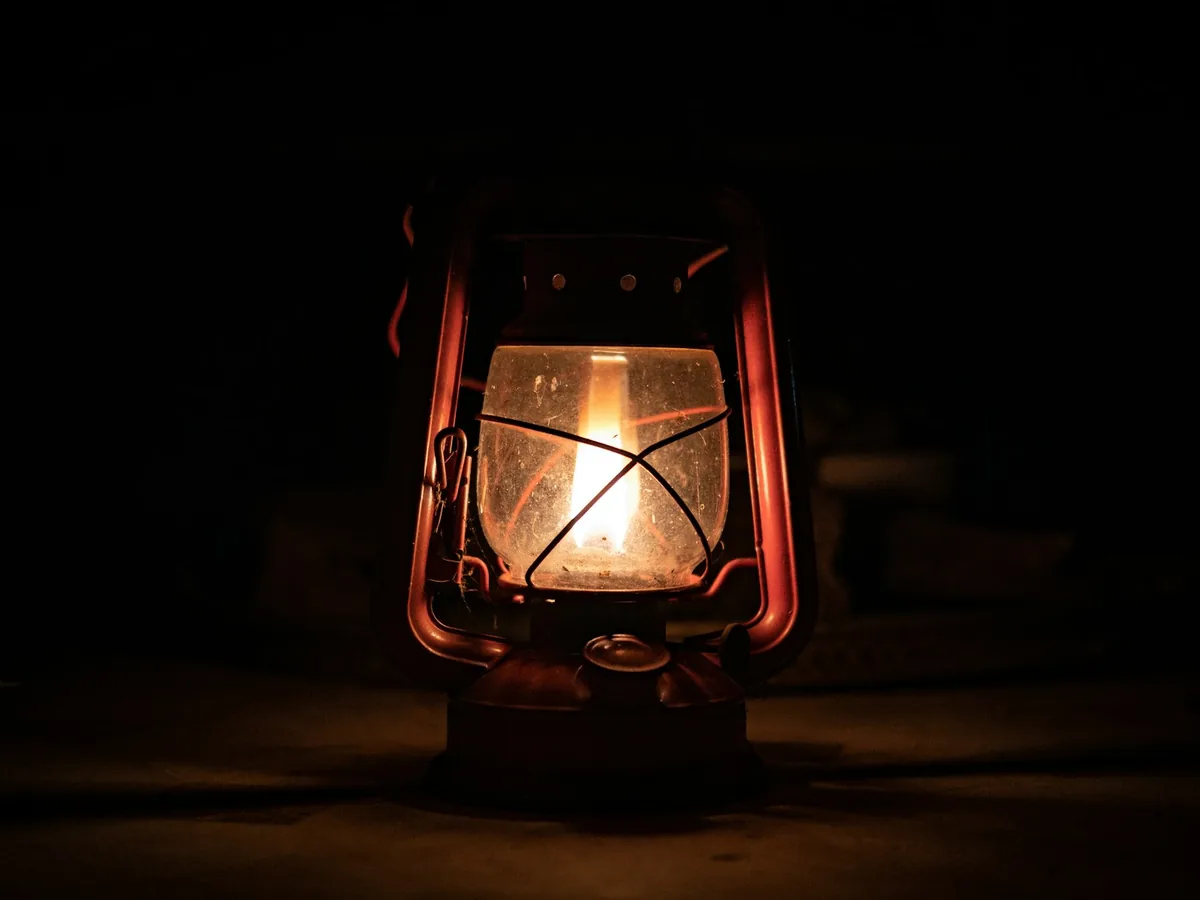
Photo: Joshua Bartell / Unsplash
By PowerLockdown EditorialUpdated November 1, 20267 min readHow we research
In this guide
- 01The short answer
- 02What the fire data shows
- 03Candles vs flashlights in a power outage
- 04Safer alternatives to emergency power outage candles
- 05A flame-free lighting kit for a typical home
- 06If you must use candles
- 07Oil lamps and kerosene lanterns
- 08Candles are not a heat source
- QFrequently asked questions
DisclosureAs an Amazon Associate we earn from qualifying purchases. We may earn a commission when you buy through links on this site, at no extra cost to you. Learn more.
The short answer
No, candles are not the safe choice. The U.S. Fire Administration says to use flashlights, not candles, in a power outage, and the CDC recommends battery-powered flashlights and lanterns instead of candles, gas lanterns or torches. If you must use a candle, keep it 12 inches from anything that burns and never leave it unattended.
An outage stacks the odds against a candle. People light several at once, carry them between rooms, set them on unfamiliar surfaces and fall asleep with them burning. Smoke alarms are a backstop only if their batteries work. And as the CDC puts it in its candle PSA, fire trucks may have trouble getting to your home after a natural disaster.
What the fire data shows
The National Fire Protection Association's candle statistics cover the five years from 2020 to 2024:
| Measure | Annual average, home candle fires |
|---|---|
| Home structure fires | 5,894 |
| Civilian deaths | 63 |
| Civilian injuries | 532 |
| Direct property damage | 286 million dollars |
| Injuries per 1,000 fires | 90, nearly three times the rate for all home fires |
- Over half of candle fires started when something that can burn, such as furniture, bedding, curtains, paper or clothing, was too close to the candle (NFPA).
- 36% of candle fires started in a bedroom (NFPA).
- Sleep was a factor in 11% of home candle fires and 34% of candle fire deaths (NFPA).
- In 21% of home candle fires, the candle was left unattended, discarded or otherwise misused (NFPA).
Those numbers describe ordinary nights. Bedrooms, sleep and unattended flames are exactly the conditions an outage creates.
Candles vs flashlights in a power outage
| Candle | LED flashlight or lantern | |
|---|---|---|
| Fire risk | Open flame | None from the light itself |
| Safe to carry while walking | No | Yes |
| Safe in a bedroom overnight | No (USFA) | Yes |
| Usable near medical oxygen | Never (USFA) | Yes |
| Light output | Low, flickering | Hundreds of lumens on many models |
| Hands-free option | No | Headlamps |
A single LED lantern does the work of a table full of candles. The Lepro 1500lm lantern is rated at 1,500 lumens on 3 D batteries. The Goal Zero Lighthouse 600 gives 600 lumens and recharges by USB, solar or hand crank. A headlamp such as the Black Diamond Spot 400 puts 400 lumens where you are looking. For the full list, see our best emergency lights for a power outage.
Safer alternatives to emergency power outage candles
- 01Battery or rechargeable lanterns for each main room.
- 02Headlamps, one per person, for cooking, the breaker panel and the stairs.
- 03Plug-in power failure lights that switch on by themselves when the outlet goes dead, so no one is searching for matches in the dark.
- 04Flameless LED candles. The USFA suggests battery-operated flameless candles, which can look, smell and feel like real candles, for anyone who wants the look.
Here are research-based picks that cover a room, a person and a hallway, based on manufacturer specs. We do not test products; check the current price on Amazon.
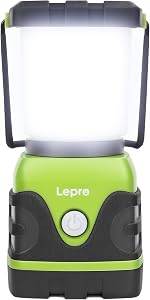
No. 1Lantern
Lepro 1500lm Battery Powered LED Camping Lantern
Best for: Bright, flame-free room light that runs on stored batteries
- 1,500 lumens, dimmable (manufacturer rating)
- Runs on 3 D alkaline batteries (not included); not rechargeable
- Up to 12 hrs at 1,500 lm (manufacturer figure)
- IPX4 water resistance; daylight, warm, full and flashing red modes
Tradeoff
- Not rechargeable, so stock spare D cells; lumen and runtime figures are self-reported.
No. 2Lantern
Goal Zero Lighthouse 600 Lantern & USB Power Hub
Best for: Rechargeable whole-room lantern with a hand-crank backup
- 600 lumens, warm white (3,500K)
- 5,200 mAh / 18.98 Wh Li-ion battery
- Recharge by USB (about 6 hrs), Goal Zero Nomad 10 solar panel (about 6 hrs) or built-in hand crank
- 1 minute of cranking = about 10 minutes of light on low
- USB-A output (5V, 1.5A) to top up a phone
- Runtime: one side on low up to 320 hrs; both sides on high 2.5 hrs
- 1.1 lb (498 g)
Tradeoffs
- Only about 2.5 hours at full brightness on both sides
- Crank gives little light per minute; solar recharge needs a separately sold panel

No. 3Headlamp
Black Diamond Spot 400 Headlamp
Best for: Hands-free light on AAA batteries or a rechargeable pack
- 400 lumens high / 200 medium / 6 low
- Runs on 3× AAA (included) or Black Diamond BD 1500 Li-ion pack
- Burn time on high: 2.5 hrs (AAA) / 4 hrs (BD 1500); low: 200 / 225 hrs
- IPX8 waterproof (1.1 m for 30 min)
- 86 g with AAA batteries
- Red night-vision mode, lock mode and battery meter
Tradeoffs
- Short runtime on high; use medium or low for long nights
- The rechargeable BD 1500 pack is sold separately

No. 4Power failure light
Eton American Red Cross Blackout Buddy Swivel
Best for: A slim plug-in light that comes on automatically and doubles as a flashlight
- 3 bright emergency LEDs plus 1 LED night light
- Turns on automatically when the power goes out
- Rechargeable; stays charged in the wall socket
- Can be used as a flashlight
- 2 x 3.93 x 0.75 in; 2 oz
Tradeoffs
- Eton's page does not list lumens or runtime
- A small handheld light, not a room light
No. 5Power failure light
Energizer 4-in-1 Rechargeable Power Failure Light Sensing LED Night Light (38511)
Best for: Hallways and bedrooms: a night light that turns itself on when the power fails
- Four functions: light-sensing night light, power failure light, tabletop light, handheld flashlight
- Light sensor turns it on at dusk and off at dawn
- Turns on during a power outage; lift it off the wall to use as a flashlight
- Built-in rechargeable battery (non-replaceable) charges while plugged in
- Fold-up plug
Tradeoffs
- Jasco's page does not list lumens or battery runtime
- Battery is not replaceable, so the light is retired when it fades
A flame-free lighting kit for a typical home
| Item | How many | Power |
|---|---|---|
| LED lantern | 1 per main room | D cells, AA cells or USB recharge |
| Headlamp | 1 per person | AAA cells or a rechargeable pack |
| Power failure light | 1 per hallway and stairway | Charges from the outlet |
| Bright flashlight | 1 for the garage or utility room | Rechargeable cell |
| Spare batteries | Enough for 2 full sets | Match the sizes above |
Lighting draws so little power that it rarely needs a generator or a big battery. A charged power bank can top up a USB lantern or headlamp when the outlets are dead. If the outage runs into days, our how to charge your phone during a power outage guide covers car, solar and power-station charging, which work the same way for lights. Our emergency lanterns and flashlights kit lists more options by battery type.
Families with small children or older relatives have the most reason to go flame-free. The USFA's guide for older adults says to always use a flashlight, not a candle, for emergency lighting, and never to use candles where medical oxygen is in use. If anyone in the home relies on oxygen or another powered medical device, plan backup power for it separately; see our CPAP battery backup guide.
If you must use candles
- Protect the flame with a glass chimney or container, as the USFA's guide for older adults recommends.
- Light one candle in the room you are in, not one in every room.
- Keep children and pets out of reach of the flame.
- Never carry a lit candle to look for something. Use a flashlight.
- Test your smoke alarms before the storm season and keep spare batteries for them.
Oil lamps and kerosene lanterns
Readers ask for the best oil lamp for a power outage. We do not recommend one. An oil or kerosene lamp is still an open flame, it adds a fuel that can spill, and the CDC lists gas lanterns alongside candles and torches as lights to avoid in an outage because of fire risk. The CDC also warns never to use fuel-burning lanterns, camp stoves or charcoal grills indoors because of carbon monoxide. If you already own an oil lamp, follow every candle rule above, refuel only when it is cool and unlit, and keep a working CO alarm in the house; see our carbon monoxide alarm picks.
Candles are not a heat source
Candles are not a safe way to warm a room, and burning several at once multiplies every fire risk above. For staying warm, see heating without power and winter power outage survival, which cover indoor-rated heaters, ventilation and CO alarms.
For the first hour of any outage, our what to do when the power goes out checklist puts lights first for a reason.
Frequently asked questions
- Is it safe to use candles during a power outage?
- Fire and health agencies advise against it. The U.S. Fire Administration says to use flashlights, not candles, in an outage, and the CDC recommends battery-powered flashlights and lanterns to minimize fire risk.
- How many home fires do candles cause?
- NFPA estimates an annual average of 5,894 home structure fires with candles as the heat source from 2020 to 2024, causing 63 civilian deaths and 532 injuries a year.
- Are flameless LED candles safe in a power outage?
- They have no open flame, and the USFA suggests battery-operated flameless candles as an alternative. They give little light, so pair them with a real lantern or flashlight.
- What is the best oil lamp for a power outage?
- We do not recommend oil lamps. They are open flames with liquid fuel, and the CDC lists gas lanterns among the lights to avoid in an outage. An LED lantern gives more light with no fire or carbon monoxide risk.
- How far should a candle be from things that can burn?
- At least 12 inches, according to the USFA and NFPA. Keep candles out of bedrooms, bathrooms and sleeping areas entirely.
Sources
- National Fire Protection Association, Candle Fire Statistics (2020-2024), accessed November 1, 2026.
- U.S. Fire Administration (FEMA), Candle Fire Safety, last reviewed April 1, 2023.
- U.S. Fire Administration (FEMA), Fire Safety for Older Adults (FA-221), August 2024.
- CDC, What to Do to Protect Yourself During a Power Outage, reviewed August 26, 2026.
- CDC, Proper Use of Candles During a Power Outage (PSA), reviewed August 26, 2026.
- CDC, About Carbon Monoxide Poisoning, reviewed October 2026.
Related guides
Gear picks
Best emergency lights for a power outage
The first minute of an outage is the darkest. Lights that switch on by themselves get you to the flashlight drawer; lanterns and headlamps carry you through the night.
Updated November 1, 2026 · 8 min read
Quick answers
What to do when the power goes out
A timed checklist for the first 15 minutes, the first hour and the first day of an outage, with the safety rules that prevent the injuries outages actually cause.
Updated November 1, 2026 · 7 min read
Grid-down
Heating without power for weeks, without poisoning the household
Most furnaces stop when the grid does, so a long winter outage needs one warm room, a safe heat source, enough stored fuel and a carbon monoxide alarm within earshot of every bed.
Updated November 1, 2026 · 10 min read
Seasonal prep
Winter power outage survival
A practical plan for staying warm and safe when the power goes out in freezing weather, including the safety rules that matter most.
Updated October 27, 2026 · 8 min read
Gear picks
Best carbon monoxide alarms for power outages
Generators, fuel-burning heaters and improvised cooking make outages a high-risk time for carbon monoxide. These alarms keep working without grid power.
Updated October 27, 2026 · 8 min read