Guides · Seasonal prep
Winter power outage survival
A practical plan for staying warm and safe when the power goes out in freezing weather, including the safety rules that matter most.
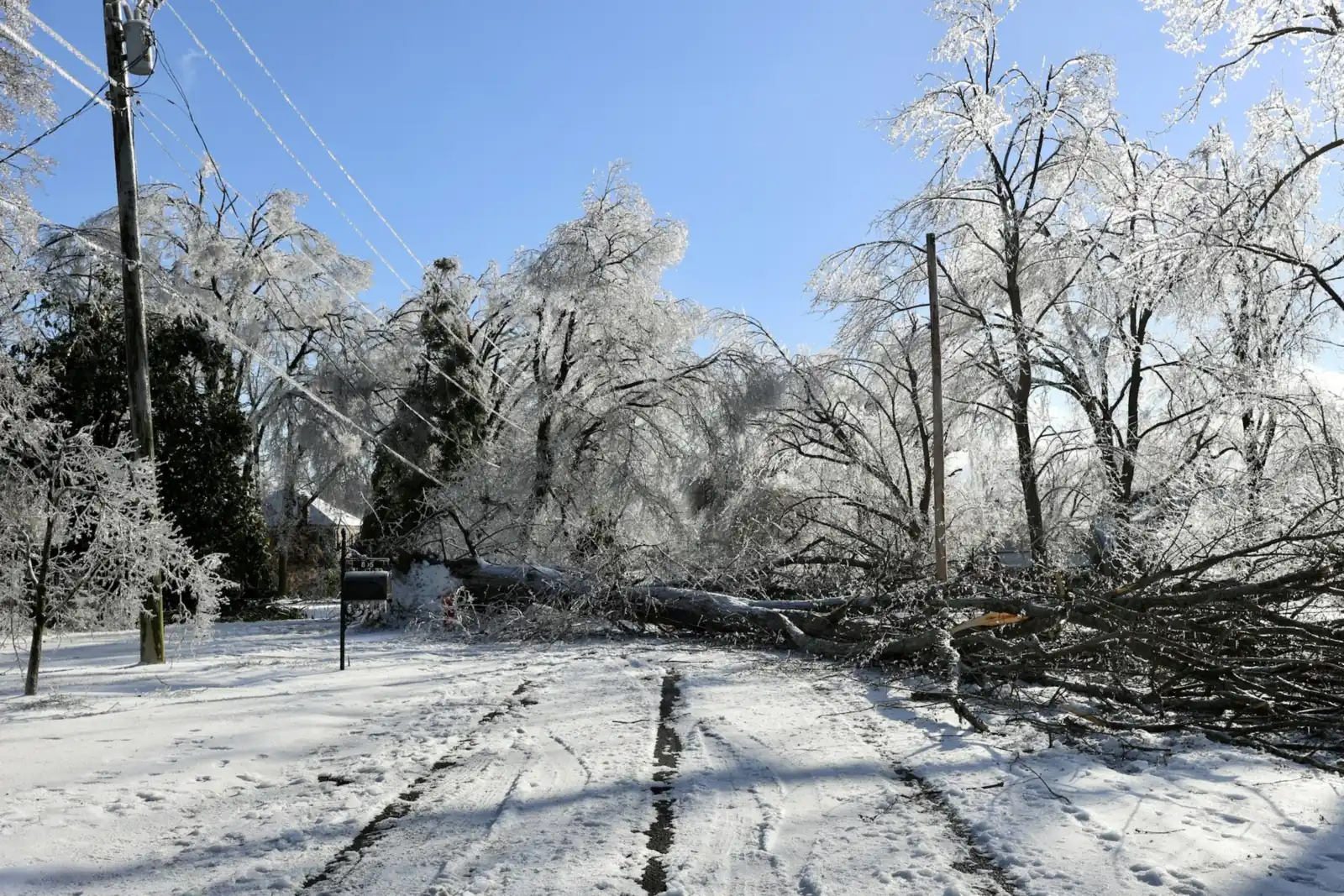
Photo: Scott Greer / Unsplash
By PowerLockdown EditorialUpdated October 27, 20268 min readHow we research
In this guide
DisclosureAs an Amazon Associate we earn from qualifying purchases. We may earn a commission when you buy through links on this site, at no extra cost to you. Learn more.
Why winter outages are different
A summer outage is uncomfortable. A winter outage can become dangerous within a day, because most homes lose heat when they lose power. Even gas furnaces typically rely on electricity for igniters, controls and the blower that moves warm air. Heat pumps and electric baseboards stop completely.
Winter is also when the bulk power grid can be stretched. NERC's 2025–2026 Winter Reliability Assessment (November 2025) found that aggregate winter peak demand had risen by 20 GW (2.5%) from the previous winter while resources rose by only 9.4 GW, and it rated seven assessment areas as elevated risk in extreme cold. In New England, for example, the report points to cold snaps where constrained natural gas pipelines can lead to rapid depletion of stored fuel. See the full list in our Grid Risk Outlook.
Much of the danger in a winter outage comes from how people fight the cold. Running generators in garages, grills indoors or gas ovens for heat causes carbon monoxide poisoning. The CDC says more than 400 Americans die from unintentional CO poisoning every year, and more than 100,000 visit an emergency department.
Before the storm: a 48-hour checklist
- Charge phones, power banks and any portable power station to 100%.
- Test your CO alarms and put fresh batteries in any that use them. Our CO alarm guide covers battery-powered options that work during outages.
- Fill the car's fuel tank. Gas stations need power to pump.
- Gather blankets, sleeping bags, hats and layers in one room.
- Stock water: Ready.gov recommends at least one gallon per person per day for several days.
- Know how to shut off your water main in case a pipe bursts.
- If you have a generator, test-run it outdoors and store fuel safely, away from the house.
- If someone uses powered medical equipment, plan backup power for it now.
During the outage: stay warm in one room
Heating a whole house without power is unrealistic for most people. Heating one well-chosen room is achievable.
- 01Pick an interior room with few windows, ideally on the sun-facing side, where the household can sleep together.
- 02Close it off. Shut doors to unused rooms, roll towels against drafts and hang blankets over windows at night.
- 03Dress in layers, including hats and dry socks. Wet clothing loses its insulating value.
- 04Use body heat. Sleeping in the same room, in sleeping bags under blankets, holds heat well.
- 05Eat and drink. Your body generates heat digesting food; stay hydrated.
- 06Open curtains on sunny days, close them at sundown.
Backup heat options, safest first
1. Battery power for low-wattage warmth
A portable power station cannot run a space heater for long: a 1,500-watt heater would drain a roughly 1,000 Wh battery in well under an hour. Battery power is better spent on low-wattage items that keep people warm: an electric blanket or heated mattress pad (check the wattage on the label, often under 100 W), a gas furnace blower if an electrician has set up a safe connection, and phones and lights. Use the backup power calculator to size a unit.

Power station
Anker SOLIX C1000 Portable Power Station
Best for: Running a fridge, lights, phones and a CPAP through a one- or two-day outage
- 1,056 Wh capacity (up to 2,112 Wh with the matching expansion battery)
- 1,800 W continuous / 2,400 W surge AC output
- LiFePO4 battery chemistry
- 6 AC outlets
- 28.44 lb
Tradeoff
- At about 28 lb it is a carry-to-the-car unit, not a grab-and-go bag item.
2. Indoor-safe propane heaters
Some portable propane heaters are designed and marketed for indoor use, with an oxygen depletion sensor (ODS) that shuts the heater off if oxygen drops, and a tip-over switch. They still burn fuel and produce combustion gases, so follow the maker's ventilation instructions (typically a window cracked open), keep them clear of anything flammable, never sleep with one running unless the manual explicitly allows it, and keep a CO alarm in the same room.

Indoor-safe heater
Mr. Heater Portable Buddy MH9BX
Best for: Keeping one room warm during a winter outage
- 4,000–9,000 BTU, heats up to 225 sq ft
- Oxygen depletion sensor (ODS) and tip-over auto shutoff
- Runs on a 1 lb propane cylinder
- Marketed by the maker as indoor-safe heat
Tradeoffs
- Still burns propane: crack a window for ventilation, keep a CO alarm in the same room, and expect 1 lb cylinders to empty quickly.
- Only about 3 hours per 1 lb cylinder on high, so long outages need many cylinders or the 20 lb setup
- 20 lb hose and filter are extra purchases
3. Wood stoves and fireplaces
A properly installed, recently inspected wood stove is one of the most reliable outage heat sources. Open fireplaces often lose more heat up the chimney than they deliver to the room. Either way, have the chimney inspected annually and keep a CO alarm nearby.
4. Portable generators
A generator can run a furnace, a fridge and lights, but only if it is used safely. Run it outdoors only, at least 20 feet from the house with the exhaust pointed away, never in a garage or under an open window. Connecting a generator to home wiring requires a transfer switch or interlock installed by a licensed electrician; backfeeding through an outlet can electrocute utility workers and neighbors.
Protect pipes
- Let faucets on exterior walls drip slowly to keep water moving.
- Open cabinet doors under sinks so room heat reaches the pipes.
- If the house is going to drop below freezing for a long time and you are leaving, consider shutting off the main and draining the lines.
- If a pipe bursts, shut off the main immediately.
Food and water
Keep the refrigerator and freezer closed. Ready.gov and the FDA say a refrigerator keeps food safe for about 4 hours, a full freezer about 48 hours, and a half-full freezer about 24 hours. Do not store food outside in the snow: sun can warm it and animals can get to it. Use a cooler with ice instead. When in doubt, throw it out.
If your water comes from a well, the pump stops without power. Store water before storms. If authorities issue a boil-water notice and you cannot boil, a filter rated for bacteria and protozoa is a useful backup.

Water filter
MSR AutoFlow XL Gravity Filter 10 L
Best for: Filtering water for a whole household if tap water is unsafe
- 10 L reservoir; hang it and gravity does the filtering
- 1.75 liters per minute; cartridge rated for 1,500 liters
- 0.2-micron hollow fiber: removes bacteria (99.9999%) and protozoa (99.9%) per MSR
- Meets EPA standards and NSF Protocol P231 for bacteria and protozoa (manufacturer claim)
- 12 oz; not effective against viruses or chemicals (maker)
Tradeoffs
- Not rated for viruses or chemicals. CDC advises disinfecting filtered water when viruses are a concern, and no filter makes fuel-contaminated water safe.
- Flow slows as the bag empties
Light and information
Use battery LED lanterns instead of candles, which are a fire risk. Keep a NOAA weather radio for storm updates when cell service is congested.
No. 1Lantern
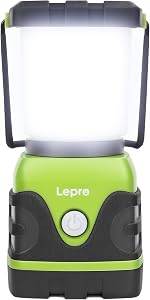
Lepro 1500lm Battery Powered LED Camping Lantern
Best for: Bright, flame-free room light that runs on stored batteries
- 1,500 lumens, dimmable (manufacturer rating)
- Runs on 3 D alkaline batteries (not included); not rechargeable
- Up to 12 hrs at 1,500 lm (manufacturer figure)
- IPX4 water resistance; daylight, warm, full and flashing red modes
Tradeoff
- Not rechargeable, so stock spare D cells; lumen and runtime figures are self-reported.

No. 2Emergency radio
Midland ER310 Emergency Crank Weather Radio
Best for: A household weather radio with several ways to stay powered
- Power: solar, hand crank, 3,500 mAh rechargeable Li-ion, or 6 AA batteries
- NOAA weather band; alerts sound when issued on your local channel
- LED flashlight with SOS beacon
- USB output to top up a phone
Tradeoffs
- Midland notes the design dates to the early 2000s and may not charge newer phones (iPhone X and later) reliably. Weather alerts are not SAME county-coded.
- Midland's FAQ notes solar tops up a charged battery rather than reviving a dead one
- Micro-USB charging rather than USB-C
Know the signs of hypothermia and CO poisoning
Carbon monoxide symptoms are often described as flu-like: headache, dizziness, weakness, upset stomach, vomiting, chest pain and confusion (CDC). If an alarm sounds or anyone has symptoms, get everyone into fresh air and call 911. Hypothermia warning signs include shivering, exhaustion, confusion, slurred speech and drowsiness; older adults and infants are especially vulnerable. If your home cannot be kept safely warm, go to a warming center or a friend's house before night falls.
Next: work through the blackout checklist, and see the full Blackout Kit.
Frequently asked questions
- How long can a house stay warm without power in winter?
- It depends on insulation, outside temperature and wind. A well-insulated home may hold usable warmth for many hours; a drafty one can get cold quickly. Plan to consolidate everyone into one room and have a backup heat or relocation plan rather than relying on retained heat.
- Is it safe to use a propane heater indoors during a power outage?
- Only if the heater is specifically designed and labeled for indoor use, with an oxygen depletion sensor and tip-over shutoff, and only with the ventilation the manufacturer specifies and a working CO alarm nearby. Never use outdoor propane heaters, grills or camp stoves inside.
- Can a portable power station run a space heater?
- Not for long. A typical space heater draws about 1,500 W, which would empty a 1,000 Wh power station in well under an hour. Power stations are better used for electric blankets, lights, phones, medical devices and, with professional setup, a furnace blower.
- Can I run my gas furnace on a generator?
- Often yes, because the blower and controls draw relatively little power, but the connection must be made safely through a transfer switch or interlock installed by a licensed electrician. The generator must run outdoors, at least 20 feet from the home.
Sources
- NERC, 2025–2026 Winter Reliability Assessment, November 2025.
- CDC, About Carbon Monoxide Poisoning, reviewed October 2026.
- U.S. Consumer Product Safety Commission, Carbon Monoxide Information Center, accessed October 27, 2026.
- Ready.gov (FEMA), Power Outages, updated June 4, 2026.
- Ready.gov (FEMA), Build a Kit, updated July 1, 2026.
- U.S. Food and Drug Administration, Food and Water Safety During Power Outages and Floods, current as of March 5, 2024.
Related guides
Gear picks
Best carbon monoxide alarms for power outages
Generators, fuel-burning heaters and improvised cooking make outages a high-risk time for carbon monoxide. These alarms keep working without grid power.
Updated October 27, 2026 · 8 min read
Outage basics
Rolling blackouts explained
Why grid operators sometimes cut power on purpose, what the official reports say about past events, and how to get your home ready.
Updated October 27, 2026 · 7 min read
Outage basics
How long power outages last: what federal data shows
What federal data says about outage length in the US, why a few big storms dominate the numbers, and how to decide how many days to prepare for.
Updated October 27, 2026 · 7 min read