Guides · Gear picks
Best emergency kit for a power outage
Pre-built 72-hour kits are a fast start. Most are designed for evacuation, so a home power outage kit needs a few things they leave out.
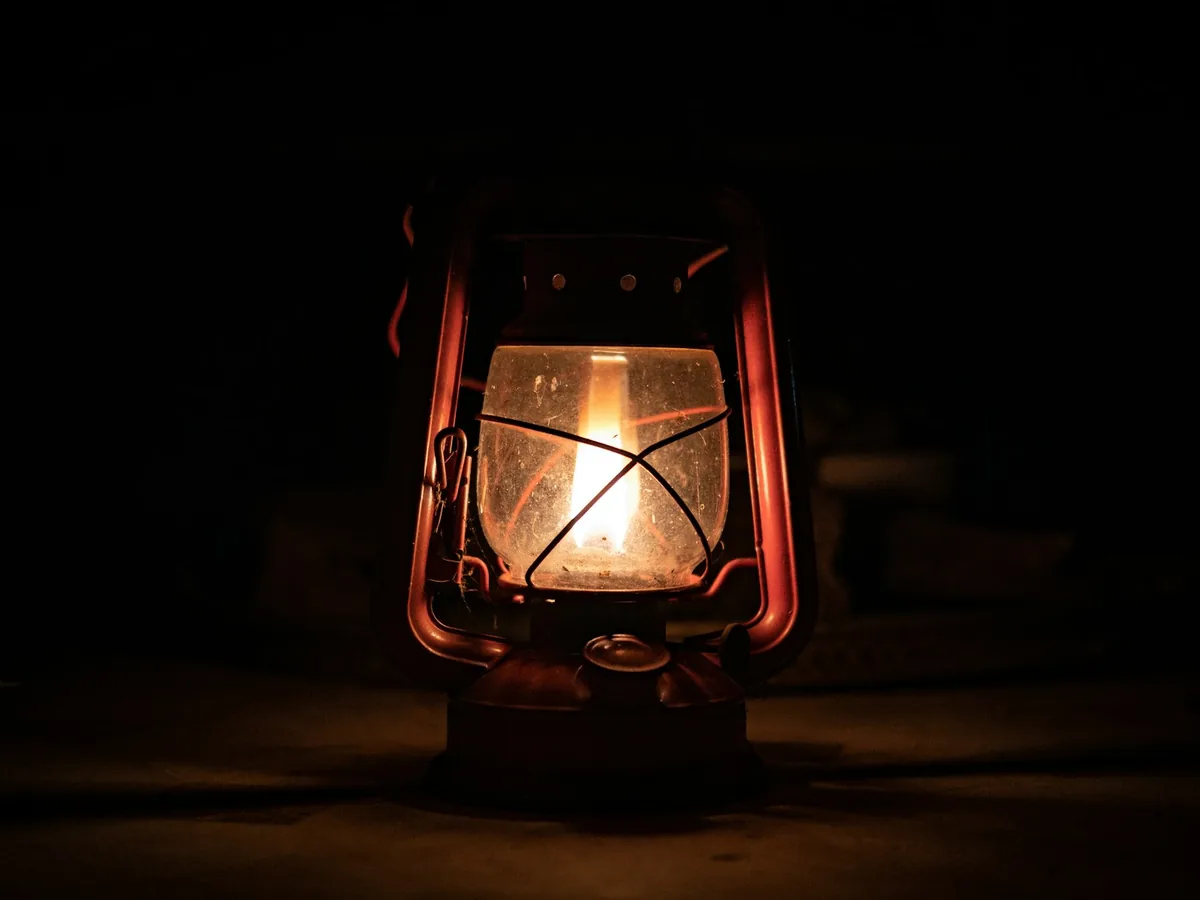
Photo: Joshua Bartell / Unsplash
By PowerLockdown EditorialUpdated November 1, 202610 min readHow we research
In this guide
DisclosureAs an Amazon Associate we earn from qualifying purchases. We may earn a commission when you buy through links on this site, at no extra cost to you. Learn more.
The short answer
The best emergency kit for a power outage for most families is the Ready America 70385, a four-person, three-day backpack with food, water, first aid and a hand-crank radio and light. Treat any pre-built kit as a starting point: add more water, a real lantern, a CO alarm, phone power and your medications.
Ready.gov says that after an emergency you may need to survive on your own for several days. The American Red Cross sets the target more precisely: a 3-day supply of food and water for evacuation, a 2-week supply for home, and a 7-day supply of medications. A pre-built kit covers the evacuation half of that. Staying home through a long outage is the other half, and that is where kits fall short.
Our picks at a glance
| Kit | Best for | People / days | Water included | Light and radio | Weight |
|---|---|---|---|---|---|
| Ready America 70385 Deluxe | Best overall family kit | 4 / 3 | 4 × 1 L boxes | Hand-crank light, AM/FM radio, phone charger; lightsticks | 21 lb |
| Sustain Supply Comfort 2 (70491) | Real meals for two | 2 / 3 | 4 × 1 L boxes, 2 filter straws | Lantern with AA batteries, lightsticks; no radio listed | 20.65 lb |
| Uncharted SEVENTY2.0 Pro | Premium evacuation go-bag | 2+ / 3 | Filtration system and bottle | Crank radio / flashlight / charger | 16 lb |
| Red Cross Deluxe 3-Day (91052) | One person, strong hygiene kit | 1 / 3 | 4 × 4 oz pouches, empty 3.5 gal container | Flashlight and pen light; no radio listed | 8 lb |
The picks
Start with the Ready America family kit: read the full review. Couples who want hot meals should see the Sustain Supply Comfort 2 review. The last two picks are add-ons that fix the weakest parts of most kits: first aid and food.

No. 1Emergency kit
Ready America 4 Person Deluxe Emergency Kit, 3 Day Backpack (70385)
Best for: A family of four that wants one grab-and-go bag with food, water and a crank radio
- Rated for 4 people for 3 days
- 4 food bars (2,400 calories each) and 4 boxes of water (1 liter each), both 5-year shelf life
- Hand-crank Emergency Power Station: flashlight, AM/FM radio, siren, phone charger. Maker: 1 minute of cranking gives 30 minutes of light, 2 minutes of talk time or 15 minutes of radio
- 107-piece first aid kit, 4 ponchos, 4 survival blankets, 4 dust masks, 4 goggles, 4 12-hour lightsticks, whistle, duct tape, multi-tool
- Weight 21 lb
Tradeoffs
- 4 liters of water for 4 people is about 1 gallon in total; CDC says to store 1 gallon per person per day
- One 2,400-calorie bar per person for 3 days is survival rationing, not normal meals
- Crank phone charging is slow; no CO alarm or battery lantern

No. 2Emergency kit
Sustain Supply Co. (Ready America) Comfort Kit 2 Person, 72-Hour Emergency Backpack (70491)
Best for: Two adults who want real meals and water filtration, not just ration bars
- Rated for 2 people for up to 72 hours
- 4 Emergency Meal Kits plus one 2,400-calorie food bar
- 4 AquaLiter water boxes (1 liter each, 5-year shelf life) and 2 survival filter straws
- Lantern with 3 AA batteries, 4 lightsticks, 107-piece first aid kit, Mora knife, 2 emergency blankets
- Wood stove, small cookware, fire starters and ferro rod; 20.65 lb; about 19 x 15 x 9 in
Tradeoffs
- The wood stove and fire starters are for outdoor use only, never inside the house
- No radio listed in the kit
- Heavy for a single carry at over 20 lb
No. 3Emergency kit
Uncharted Supply Co. SEVENTY2.0 Pro Survival System
Best for: An evacuation bag for 2 or more people that also covers shelter, filtration and comms
- Maker: built to keep 2+ people going for 72 hours; 60+ tools in labeled, color-coded pockets
- Crank radio / flashlight / charger, water filtration system, water bottle, food (x2)
- Survival tent, 2 survival blankets, 2 hand and body heat packs, first aid kit, 2 air masks, 2 goggles
- Waterproof 36 L Barron Backpack with wearable insert; 16 lb total carry weight; 20 x 13 x 8 in
Tradeoffs
- Designed for leaving home; it carries little stored water for sheltering in place
- At the premium end of pre-built kits
- Amazon listings may show the earlier SEVENTY2 Pro version; check the contents list
No. 4Emergency kit
American Red Cross Deluxe 3-Day / 72-Hour Emergency Preparedness Kit (item 91052)
Best for: One person who wants hygiene and first aid supplies covered in a single backpack
- Supplies for 1 person for 3 days; approved by the Red Cross Scientific Advisory Council (per the listing)
- Food bars (6 pack), 4 water pouches (4 oz) and an empty 3.5-gallon portable water container
- Flashlight and batteries, pen light, multi-tool, 52 x 84 in rescue blanket, poncho, whistle, duct tape
- Full hygiene kit plus first aid supplies with a CPR mask and first aid guide
- Weight 8 lb
Tradeoffs
- Covers one person; a household needs one per person
- No radio in the current contents list
- Sold mainly through the Red Cross store; Amazon listings for licensed Red Cross kits may differ

No. 5First aid and medical
American Red Cross (made by First Aid Only) Deluxe All Purpose First Aid Kit, 299 pieces
Best for: An all-purpose home kit
- 299 pieces in a soft zippered case with clear pockets; 1.3 lb
- 75 plastic bandages, 50 junior bandages, 5"×9" trauma pad
- Alcohol pads, BZK antiseptic towelettes, antibiotic ointment packs
- Aspirin, non-aspirin pain reliever and ibuprofen packets
- Thermometer, emergency blanket, cold compress, scissors, tweezers, nitrile gloves, Red Cross First Aid Guide
Tradeoffs
- Mostly small-wound supplies; only one trauma pad
- No CPR face shield listed
No. 6Emergency food
Mountain House Just In Case… 3-Day Emergency Food Supply
Best for: A 72-hour kit for one person
- 18 servings; about 1,706 calories per day (manufacturer)
- 9 pouches
- Needs 12 cups (0.75 gallon) of water total
- 3.6 lb
- 30-year taste guarantee
- 12.75 × 9.25 × 6.94 in; chicken fried rice certified gluten-free (GFCO)
Tradeoffs
- About 1,706 calories a day is below the FDA 2,000-calorie reference
- Covers one person only
Emergency go bag vs power outage kit for home
A go-bag is built to be carried. It trades quantity for weight: ration bars, a liter or two of water, a crank radio, a poncho. A power outage kit for home is built to be lived out of. Weight does not matter, so it should hold far more water, normal food, bright battery lighting and a way to recharge phones. Most households need both: one bag by the door, and a bin or shelf of supplies for sheltering in place.
| Go-bag (evacuation) | Home outage kit | |
|---|---|---|
| Water | 3 days, carried | 1 gallon per person per day; aim for 2 weeks (CDC) |
| Food | Ration bars, freeze-dried pouches | 2 weeks of normal shelf-stable food (Red Cross) |
| Light | Flashlight, lightsticks | Lanterns and headlamps with spare batteries |
| Power | Crank charger, small power bank | Large power bank or power station |
| Safety | Whistle, dust mask | Battery CO alarm, smoke alarms, fire extinguisher |
| Medical | First aid kit, 7-day meds | First aid kit, 7-day meds, plan for refrigerated meds |
What pre-built kits usually lack for a home power outage
Enough water
CDC says to store at least 1 gallon of water per person per day for 3 days, and to try for a 2-week supply. For four people for three days that is 12 gallons. The Ready America 70385 includes four 1-liter boxes, about 1 gallon in total. The Red Cross Deluxe kit adds an empty 3.5-gallon container you fill yourself. Add storage from our water storage and filters page.
Real lighting
Lightsticks and a crank flashlight are fine for finding the door. They are not how you want to spend three evenings. Add one lantern per room you will use and a headlamp per person. See best emergency lights for a power outage, and stock rechargeable batteries to match.
Phone power
Ready America says one minute of cranking its Emergency Power Station gives 2 minutes of phone talk time. That is an emergency trickle, not a way to keep a smartphone running. Add a power bank sized for your household. See how to charge your phone during a power outage.
A carbon monoxide alarm
None of the kits here lists a CO alarm, yet outages are when people run generators and fuel heaters. Put a battery-powered CO alarm on every level of the home. Our best carbon monoxide alarms page covers models that work without grid power.
Your own medications and documents
No kit can include your prescriptions. The Red Cross recommends a 7-day supply of medications plus copies of personal documents such as a medication list, insurance policies and IDs. Ready.gov adds cash, prescription glasses, infant formula and pet food where needed. If anyone in the home uses a CPAP or other powered device, see best CPAP battery backup and first aid and medical prep.
Build vs buy
| Buy a pre-built kit | Build your own | |
|---|---|---|
| Speed | Done in one order | Takes several shopping trips |
| Quality | Basic items; makers note contents may vary | You choose every item |
| Fit | Generic sizes and foods | Matches your family, diet and gear |
| Water and food | Usually 3 days of rationing | As much as you can store and rotate |
| Best use | Go-bag, car, office, a second home | Main home outage supplies |
Our recommendation: buy a pre-built kit for the go-bag, because it gets a complete bag by the door today. Build the home kit from the blackout checklist and the master shopping list. Ready.gov suggests storing home supplies in one or two easy-to-carry containers such as plastic bins or a duffel bag.
Safety notes for kit contents
For winter outages, add warm sleeping gear and read heating without power. For the first hours after the lights go out, see what to do when the power goes out.
Frequently asked questions
- What should be in an emergency power outage kit?
- Ready.gov's basic kit includes water (one gallon per person per day for several days), several days of non-perishable food, a battery-powered or hand-crank radio, a flashlight, first aid kit, extra batteries, a manual can opener and a cell phone with chargers and a backup battery. For a home outage, add a battery CO alarm, lanterns and a power bank or power station.
- Is a pre-built 72-hour kit enough for a power outage?
- For a short outage, mostly. For a longer one at home, no. The Red Cross recommends a 2-week supply of food and water for home, and most pre-built kits carry about 3 days of rationed food and far less than CDC's 1 gallon of water per person per day.
- What is the best go bag for a family?
- Among the kits we compared, the Ready America 70385 covers four people for three days in one backpack. Uncharted's SEVENTY2.0 Pro is a premium option for two or more people with a water filtration system, tent and crank radio.
- How often should I check an emergency kit?
- At least once a year. Check expiration dates on food bars, water and medications, replace used items, recharge power banks and swap batteries. Ready America lists a 5-year shelf life for its food bars and boxed water.
- Did you test these kits?
- No. These are research-based picks based on manufacturer specs and published data. We do not test products.
Sources
- Ready.gov (FEMA), Build a Kit, updated July 1, 2026.
- American Red Cross, Survival Kit Supplies, accessed November 1, 2026.
- CDC, How to Create an Emergency Water Supply, June 27, 2025.
- CDC, About Carbon Monoxide Poisoning, reviewed October 2026.
- Ready America, 4 Person Deluxe Emergency Kit (3 Day Backpack), SKU 70385, accessed November 1, 2026.
- Ready America, Sustain Supply Comfort Kit 2 Person, SKU 70491, accessed November 1, 2026.
- Uncharted Supply Co., THE SEVENTY2.0 Pro Survival System, accessed November 1, 2026.
- American Red Cross Store, Deluxe 3-Day / 72-Hour Emergency Preparedness Kit (item 91052), accessed November 1, 2026.
Related guides
Quick answers
What to buy before a power outage
One shopping list for the whole house, sorted by what to buy first. Each line links to the page that covers that category in depth.
Updated November 1, 2026 · 10 min read
Quick answers
What to do when the power goes out
A timed checklist for the first 15 minutes, the first hour and the first day of an outage, with the safety rules that prevent the injuries outages actually cause.
Updated November 1, 2026 · 7 min read
Gear picks
Best emergency lights for a power outage
The first minute of an outage is the darkest. Lights that switch on by themselves get you to the flashlight drawer; lanterns and headlamps carry you through the night.
Updated November 1, 2026 · 8 min read
Quick answers
How to charge your phone during a power outage
Your phone is your alert system, flashlight and family check-in. Keeping it alive is mostly about using less power, then having two ways to put power back in.
Updated November 1, 2026 · 8 min read
Grid-down
The 30-day grid-down plan
What stops working in a month-long regional outage, how much to store for your household, and what to do each week until the power returns.
Updated November 1, 2026 · 8 min read