Guides · Quick answers
What to do when the power goes out
A timed checklist for the first 15 minutes, the first hour and the first day of an outage, with the safety rules that prevent the injuries outages actually cause.
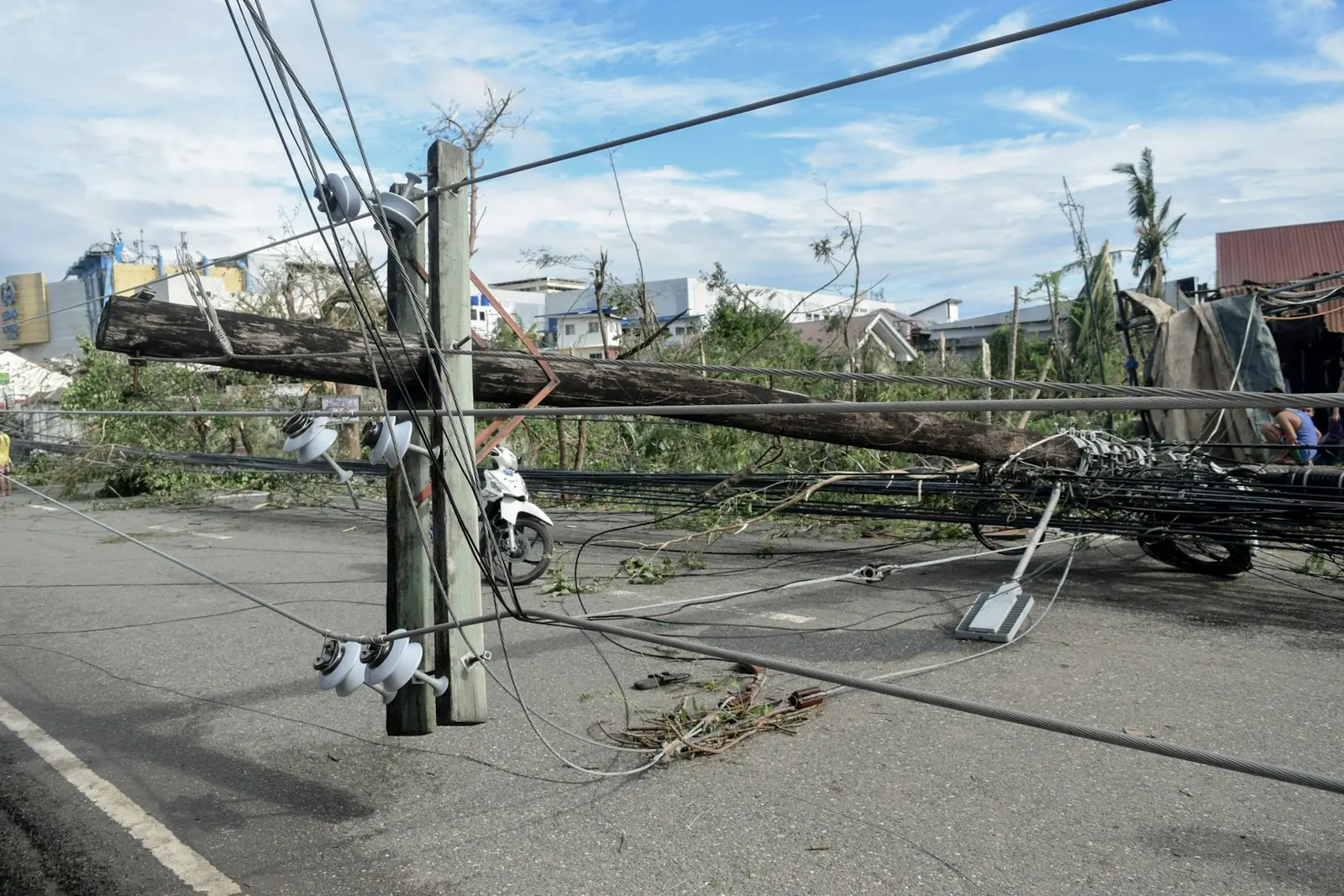
Photo: Carl Kho / Unsplash
By PowerLockdown EditorialUpdated November 1, 20267 min readHow we research
In this guide
DisclosureAs an Amazon Associate we earn from qualifying purchases. We may earn a commission when you buy through links on this site, at no extra cost to you. Learn more.
The short answer
When the power goes out, check whether it is just your home or the whole street, report it to your utility, and switch on a flashlight, not a candle. Unplug electronics, keep the fridge and freezer closed, and run any generator outdoors only, at least 20 feet from windows, doors and vents (CDC, Ready.gov).
Most outages are short, and the first hour decides how the rest goes. The checklists below follow the order that matters: safety first, then information, then food, medicine and comfort. For how long outages typically run, see how long power outages last.
The first 15 minutes
- 01Get light safely. Use battery flashlights and lanterns. CDC advises them over candles, gas lanterns or torches to cut the risk of fire.
- 02Check if it is only your home. Look out at neighbors' windows and streetlights. If they are lit, go to your breaker panel and look for a tripped main or branch breaker before you call anyone.
- 03Report the outage. Use your utility's outage map, app or phone line. Do not assume a neighbor has done it. Save the outage number in your phone now, while it is charged.
- 04Look outside for downed lines. If a line is down, stay away from it and anything it touches, and call 911 and the utility. Details below.
- 05Note the time. Food and medicine decisions later depend on how many hours the power was off. Write the time down.
The first hour
- 01Unplug electronics and turn off appliances. Ready.gov advises unplugging or switching off appliances and electronics to avoid damage from surges or spikes when power returns.
- 02Leave one light switched on. A single lamp or ceiling light left on tells you the moment power is back, without a surge from everything restarting at once.
- 03Keep the fridge and freezer shut. CDC: the fridge keeps food safe for up to 4 hours with the door closed; a full freezer about 48 hours, a half-full one about 24. Full rules: keep food safe during a power outage.
- 04Check on medical needs. Anyone on oxygen, CPAP, a nebulizer or a powered wheelchair needs a plan now, not in hour six. See the medical section below.
- 05Charge and conserve phones. Lower screen brightness, close apps and switch to a power bank or a car charger in a ventilated, open space. Never idle a car in a garage (CDC).
- 06Tune in. A battery or hand-crank weather radio keeps working when cell networks slow down. Picks: best emergency radios.
The first day
- 01Track food temperatures. At the 4-hour mark, move refrigerated perishables you want to keep into a cooler with ice. Put an appliance thermometer in the fridge and freezer.
- 02Handle refrigerated medicine. Ready.gov: if the power is out for more than a day, discard medication that should be refrigerated unless the label says otherwise, and contact your doctor or pharmacist. Insulin has its own FDA guidance, covered in our first aid and medical prep guide.
- 03Set up water and sanitation. On a private well, the pump stops with the power. Fill containers if you have warning, and read how to flush a toilet without power.
- 04Manage temperature. In cold weather, close off one room and read heating without power. In heat, read how to stay cool without power. Ready.gov: if heat or cold is extreme, go to a community location that has power.
- 05Check on neighbors. Older adults and people who live alone are the ones to visit first.
- 06Decide on backup power. If you run a generator, follow every rule in the next section. If you are sizing one, start with how to get electricity during a power outage.
| Appliance | Safe for about | What to do next |
|---|---|---|
| Refrigerator | 4 hours | Move perishables to a cooler with ice after 4 hours |
| Full freezer | 48 hours | Keep shut; check with a thermometer before refreezing |
| Half-full freezer | 24 hours | Keep shut; group packages together |
Generator and carbon monoxide safety
- Never cook or heat with outdoor equipment indoors. CDC: never use a charcoal grill, hibachi, lantern or portable camping stove inside a home, tent or camper, and never use a gas range or oven to heat a home.
- Never plug a generator into a wall outlet. CDC warns against connecting generators to home circuits without approved automatic-interrupt devices; a generator left on line can endanger line workers. A transfer switch or interlock, installed by a licensed electrician, is the safe way to feed house circuits.
- Let it cool before refueling. Ready.gov: spilled fuel on hot engine parts can ignite.
- Know the symptoms. If anyone feels dizzy, headachy or sick and a fuel-burning device is running, get everyone into fresh air and call 911 or Poison Control at 1-800-222-1222 (CDC).
Battery CO alarms are the cheapest insurance on this page. Compare models in best carbon monoxide alarms. For generator sizing and placement, BackupPowerAI has a generator CO safety guide.
Downed power lines
The Electrical Safety Foundation International says the ground around a downed line may be energized up to 35 feet away, and that you cannot tell whether a line is live by looking at it. Treat every downed line as live.
- Move away from the line and anything touching it, including fences, cars and puddles. Shuffle with small steps, feet together and on the ground (ESFI).
- Do not touch a person who is in contact with the line. Call 911.
- Do not try to move a line with a broom or stick. ESFI notes even wood or cloth can conduct electricity if slightly wet.
- Do not drive over downed lines. If one falls on your car, stay inside, honk for help and keep others away.
Medical devices and medicine
FDA advises people who use powered medical devices to notify their electric company and fire department that they have a device that needs power, and to ask the device maker or distributor whether it can run on batteries or a generator. Do not plug in a cord or device that is wet. If the device has no backup and the outage will outlast its battery, move to a place with power early, while roads and phone lines still work.
Sizing a battery for a CPAP or oxygen concentrator is a watt-hour calculation. BackupPowerAI covers it in its CPAP backup power guide, and our best CPAP battery backup page lists options.
What to turn off during a power outage
| Item | Action | Why |
|---|---|---|
| TVs, computers, game consoles, chargers | Unplug | Protects them from surges when power returns (Ready.gov) |
| Electric stove, oven, space heaters, irons | Switch off | Prevents them restarting unattended when power returns |
| Washer, dryer, dishwasher | Switch off or cancel the cycle | Avoids a mid-cycle restart and a heavy load on return |
| Central AC or heat pump | Set the thermostat to off | Lets the grid and your system restart without a heavy load |
| One lamp | Leave on | Tells you when power is back |
| Refrigerator and freezer | Leave plugged in, doors shut | They restart on their own and you need them cold |
What not to do during a power outage
- Do not open the fridge to check on it. Use a thermometer you can read through a quick door opening, or wait.
- Do not use candles as your main light. CDC recommends battery flashlights and lanterns to reduce fire risk.
- Do not run a generator in a garage, carport, basement or near an open window.
- Do not use a gas oven, grill or camp stove for heat, and do not bring a grill indoors to cook.
- Do not judge stored food by look or smell. FDA: you cannot rely on appearance or odor to tell if it is safe.
What to keep within reach
These existing research-based picks cover the first day: a weather radio, a bright battery lantern, a power bank for phones and a sealed-battery CO alarm. They are based on manufacturer specs; we do not test products.

No. 1Emergency radio
Midland ER310 Emergency Crank Weather Radio
Best for: A household weather radio with several ways to stay powered
- Power: solar, hand crank, 3,500 mAh rechargeable Li-ion, or 6 AA batteries
- NOAA weather band; alerts sound when issued on your local channel
- LED flashlight with SOS beacon
- USB output to top up a phone
Tradeoffs
- Midland notes the design dates to the early 2000s and may not charge newer phones (iPhone X and later) reliably. Weather alerts are not SAME county-coded.
- Midland's FAQ notes solar tops up a charged battery rather than reviving a dead one
- Micro-USB charging rather than USB-C
No. 2Lantern
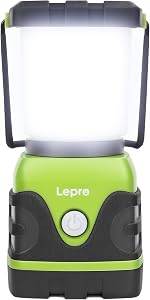
Lepro 1500lm Battery Powered LED Camping Lantern
Best for: Bright, flame-free room light that runs on stored batteries
- 1,500 lumens, dimmable (manufacturer rating)
- Runs on 3 D alkaline batteries (not included); not rechargeable
- Up to 12 hrs at 1,500 lm (manufacturer figure)
- IPX4 water resistance; daylight, warm, full and flashing red modes
Tradeoff
- Not rechargeable, so stock spare D cells; lumen and runtime figures are self-reported.

No. 3Power bank
Anker 737 Power Bank (PowerCore 24K)
Best for: High-capacity USB-C bank that can charge a laptop
- 24,000 mAh
- 140W max output
- 2× USB-C + 1× USB-A
- Smart digital display
- 630 g (22.22 oz)
Tradeoffs
- No solar input; recharge from wall or USB-C
- Heavy for a pocket

No. 4CO alarm
First Alert CO710 Carbon Monoxide Alarm with 10-Year Battery
Best for: A no-install alarm you can set on a nightstand or carry room to room
- Sealed 10-year lithium battery (no battery changes)
- Listed to UL 2034
- Backlit display: CO level, peak level and temperature
- 85 dB alarm; tabletop design
Tradeoff
- Tabletop only, and when the sealed battery ends the whole unit is replaced.
Once the lights are back, use the follow-up checklist in what to do when the power comes back on. To find your weak spots before the next one, take the readiness score or print the blackout checklist.
Frequently asked questions
- What should you turn off during a power outage?
- Unplug electronics such as TVs and computers, and switch off appliances that heat or run cycles: electric stoves, ovens, space heaters, washers and dryers. Ready.gov advises this to avoid damage from surges when power returns. Leave one light on so you know when it is back, and leave the fridge and freezer plugged in with the doors shut.
- What should you not do during a power outage?
- Do not run a generator indoors or in a garage, do not heat with a gas oven or grill, do not open the fridge and freezer repeatedly, do not rely on candles for light, and do not approach downed power lines. ESFI says the ground up to 35 feet from a downed line may be energized.
- What do I do with my fridge when the power goes out?
- Keep the doors closed. CDC says a closed refrigerator keeps food safe for up to 4 hours, a full freezer about 48 hours and a half-full freezer about 24 hours. After 4 hours, move perishables you want to keep into a cooler with ice. Our [food safety guide](/kit/keep-food-safe-during-power-outage) has the full rules.
- Should I call the power company if my power goes out?
- Yes, unless the utility's outage map already shows your address. Check your breaker panel first if neighbors still have power, because a tripped breaker is something only you can fix. Report downed lines to 911 and the utility immediately.
- Is it safe to use candles during a power outage?
- CDC recommends battery-powered flashlights and lanterns rather than candles, gas lanterns or torches, to minimize the risk of fire. If you do use a candle, never leave it unattended. Our [candles guide](/guides/candles-during-a-power-outage) covers safer setups.
Sources
- Ready.gov (FEMA), Power Outages, updated June 4, 2026.
- CDC, What to Do to Protect Yourself During a Power Outage, August 26, 2026.
- U.S. Consumer Product Safety Commission, Carbon Monoxide Information Center, accessed October 27, 2026.
- CDC, What to Do to Protect Yourself From Electrical Hazards, reviewed August 26, 2026.
- Electrical Safety Foundation International (fact sheet hosted by the Kansas Corporation Commission), Downed Power Line Safety, accessed November 1, 2026.
- U.S. Food and Drug Administration, FDA Offers Tips about Medical Devices and Natural Disasters, content current as of April 16, 2024.
- U.S. Food and Drug Administration, Food and Water Safety During Power Outages and Floods, current as of March 5, 2024.
Related guides
Quick answers
What to do when the power comes back on
The outage is over, but the decisions are not: food that warmed up, medicine that sat out, appliances that all want to start at once and a generator that must come off the circuit.
Updated November 1, 2026 · 7 min read
Quick answers
How long can a house go without power
A house does not fail all at once. The fridge goes first, then water and medicine, then temperature. This timeline shows which system runs out when, and what extends each one.
Updated November 1, 2026 · 8 min read
Outage basics
How long power outages last: what federal data shows
What federal data says about outage length in the US, why a few big storms dominate the numbers, and how to decide how many days to prepare for.
Updated October 27, 2026 · 7 min read
Gear picks
Best emergency radios for power outages
Five research-based picks for hand-crank, solar and battery NOAA weather radios, chosen from manufacturer specs and published data.
Updated October 27, 2026 · 8 min read
Gear picks
Best carbon monoxide alarms for power outages
Generators, fuel-burning heaters and improvised cooking make outages a high-risk time for carbon monoxide. These alarms keep working without grid power.
Updated October 27, 2026 · 8 min read
Seasonal prep
Winter power outage survival
A practical plan for staying warm and safe when the power goes out in freezing weather, including the safety rules that matter most.
Updated October 27, 2026 · 8 min read