Section · The Blackout Kit · Long power outages
The Blackout Kit
PowerLockdown Editorial · Updated October 27, 2026
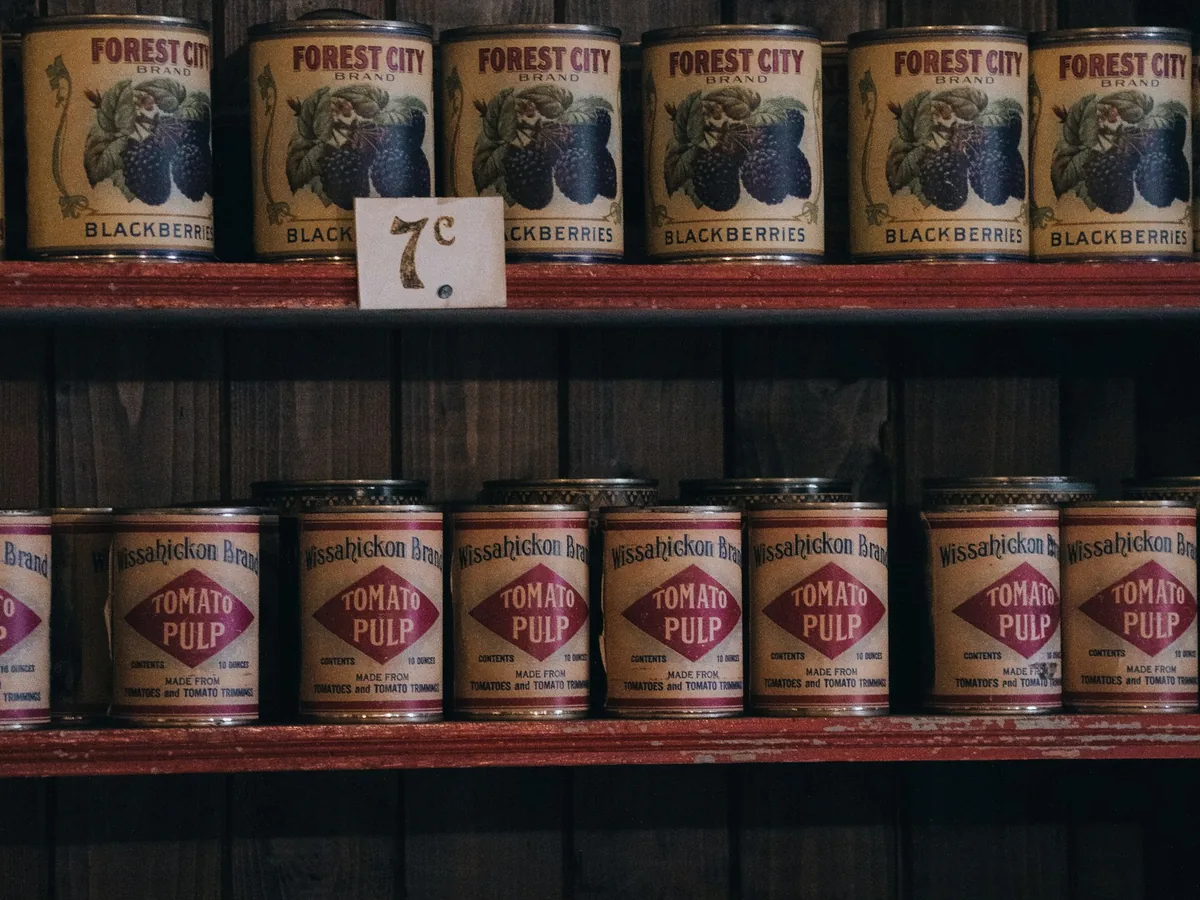
Photo: Fabian Kleiser / Unsplash
Seven sections, one per supply: power, water, food, heat, light, comms and medical. Each opens with the one number to remember, then a checklist and the source behind it.
Built on CDC, Ready.gov, FDA and American Red Cross guidance. Product picks inside each chapter are research-based, from manufacturer specs. We do not test products.
NERC's 2025–2026 Winter Reliability Assessment found adequate resources for normal winter peaks, but warned that more extreme winter conditions over a wide area could cause supply shortfalls.
0 of 26 items checked. Ticks are not saved.
Power
The average U.S. customer was without power for about 11 hours in 2024.
Major events accounted for nearly nine of those hours, EIA reports. Plan for the long outage, not the average one.
Water
One gallon per person, per day.
Store at least 3 days. CDC says to try for a 2-week supply, and more for pets, illness, pregnancy and hot climates.
Food
A closed fridge keeps food safe for up to 4 hours.
A full freezer holds a safe temperature for about 48 hours, or 24 hours half full, with the door shut.
Heat
Never heat a home with a gas stove or oven.
Carbon monoxide is odorless and colorless. Any fuel-burning heater indoors must be rated for indoor use and paired with a working CO alarm.
Light
A flashlight for every household member.
Ready.gov's power-outage rule. Battery lights also avoid the fire risk of candles.
Comms
Keep a radio that needs no outlet.
Ready.gov's kit list calls for a battery-powered or hand-crank radio and a NOAA Weather Radio with tone alert.
Medical
At least 1 week of every prescription.
CDC's kit guidance also lists a cooler for refrigerated medications. FDA has separate rules for insulin.
Size your kit
Pick a tier, enter your household, and read the totals off lines 6 to 8. The working is printed under the form.
- 3 days72-hour kit
Everyone. The minimum to ride out a storm or short grid event.
CDC: "Store at least 1 gallon of water per person, per day for 3 days." Ready.gov asks for several days of water and non-perishable food.
- 14 days2-week kit
Homes in hurricane, ice-storm or wildfire-shutoff areas, or with medical needs.
CDC: "Try to store a 2-week supply if possible." The American Red Cross recommends a 2-week supply of water and food for home.
Sources: CDC, American Red Cross
- 30 days30-day kit
Rural homes, long-restoration areas, or anyone who wants a deep buffer.
No federal agency sets a 30-day standard. This is our extended planning tier: the same per-day formulas (water, calories), scaled to 30 days.
Line 6. 4 × 3 × 1 = 12 gal. Source: CDC. Add extra for pets, illness, pregnancy and hot weather.
Line 7. 4 × 3 × 2,000 = 24,000. 2,000 a day is FDA's general nutrition reference; needs vary by person.
Line 8 is our planning assumption, not an official standard. Lanterns = ceil(people ÷ 4) = 1. Light-hours = lanterns × hours/night × days = 1 × 5 × 3 = 15. Battery sets = ceil(15 ÷ 30) = 1. Batteries = 1 × 3 = 3. Add batteries for headlamps and radios.
Winter bills
Weatherstripping and window film keep a room warm longer when the heat goes off, and cut the bill every month the grid is up.
Common questions
- How much water do I need for a power outage?
- CDC says at least 1 gallon per person per day for 3 days, and to try to store a 2-week supply if possible. Store more for pets, illness, pregnancy and hot climates.
- What should be in a blackout survival kit?
- Ready.gov's basic kit includes water, non-perishable food, a flashlight, a battery-powered or hand-crank radio with NOAA weather alert, extra batteries, a first aid kit, a manual can opener and a phone with chargers and a backup battery.
- Is a 30-day kit an official recommendation?
- No. CDC and the Red Cross reference 3 days and 2 weeks. The 30-day tier on this page scales the same daily formulas for households that want a deeper buffer.
Checklist items follow Ready.gov: Build a Kit (updated 07/01/2026) and CDC guidance. More outage prep: the blackout checklist and guides. How we research: editorial policy.