Blackout Kit · Energy bills
How to Cut Your Energy Bills Before Winter
What EIA expects this winter, the DOE and ENERGY STAR moves that save the most, and how to find waste in your own bill.
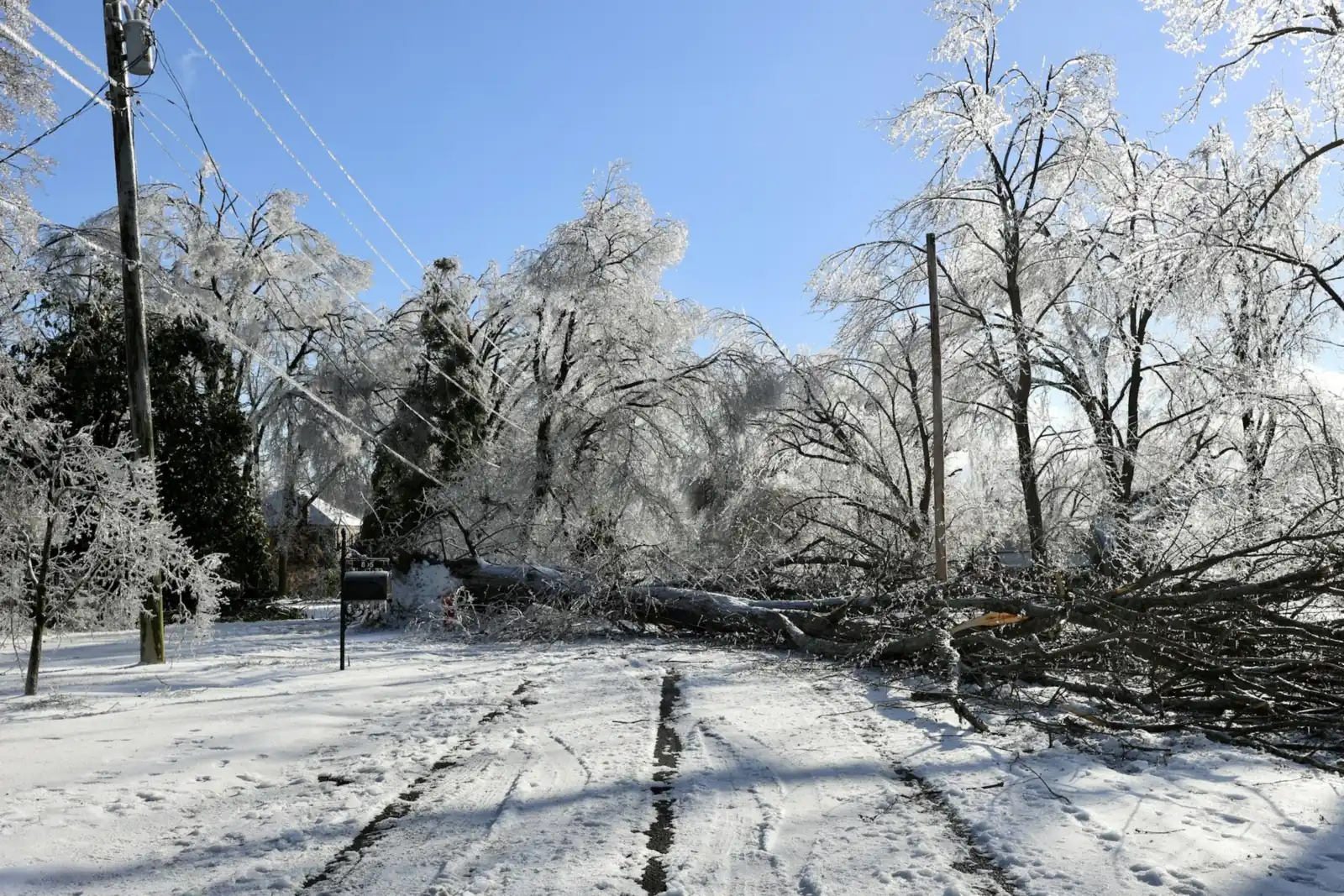
Photo: Scott Greer / Unsplash
By PowerLockdown EditorialUpdated October 27, 20263 min readHow we research
In this guide
DisclosureAs an Amazon Associate we earn from qualifying purchases. We may earn a commission when you buy through links on this site, at no extra cost to you. Learn more.
Outage prep and lower bills share a lot of the same work. Sealing drafts keeps a room warm longer when the heat goes off, and the same work cuts what you pay every month the grid is up.
This guide uses EIA, DOE and ENERGY STAR figures. Product picks are research-based from manufacturer specs; we do not test products.
What to expect this winter
EIA's October 7, 2026 winter outlook expects homes that heat mainly with electricity (over 40% of U.S. homes) to spend about 4% more this winter (November 2026–March 2027) than last. It expects natural gas heating spending to fall about 9%, propane about 3%, and heating oil spending (about 3% of homes, mostly in the Northeast) to rise about 21%.
EIA's October 2026 Short-Term Energy Outlook puts the average U.S. residential electricity price at 17.3¢/kWh in 2025 and forecasts 18.2¢ in 2026 and 18.7¢ in 2027, up from 16.5¢ in 2024.
The moves that save the most
- Thermostat setback: DOE says you can save as much as 10% a year on heating and cooling by turning your thermostat back 7°–10°F for 8 hours a day from its normal setting.
- Smart thermostats: ENERGY STAR says certified smart thermostats save on average approximately 8% of heating and cooling bills.
- Seal and insulate: ENERGY STAR says sealing and insulating can provide up to a 10% savings on annual energy bills.
- Lighting: DOE says LEDs use 75% less energy and last 25 to 50 times longer than incandescent bulbs.
Find the waste in your own bill
General tips only go so far; the biggest savings depend on your rate plan, usage pattern and fees. Our bill analyzer reads your actual utility bill and flags where the money goes. Upload a photo or PDF of your latest bill to get started.
Winter prep that also helps in an outage
- Weatherstrip doors and windows: less heat loss now, slower cool-down when power is out
- Window film on drafty windows in the room you would use as your warm room
- Know how to set your thermostat to a lower setback overnight
- Use a plug-in energy monitor to find appliances that cost the most to run
- Pick one interior room to be your outage warm room
Read your bill before you buy anything
Most utility bills split charges into a few buckets: a fixed monthly customer charge, energy or supply charges based on how many kWh (or therms) you used, delivery or distribution charges, and taxes and fees. Only the usage-based parts respond to efficiency upgrades, so it is worth knowing how big they are before spending money.
Compare the same month across years if your bill shows a usage history. A jump in usage points to equipment or habits; a jump in cost with flat usage points to rate changes, and may mean a different rate plan is worth asking your utility about.
A weekend weatherization plan
- Walk the house on a windy day and feel for drafts at doors, windows, outlets on exterior walls and attic hatches
- Weatherstrip exterior doors and add door sweeps where you see daylight underneath
- Apply window film to the leakiest windows, starting with the room you would heat in an outage
- Set a thermostat schedule with an overnight and away-from-home setback
- Swap any remaining incandescent bulbs in high-use fixtures for LEDs
- Plug the biggest suspected energy users into an energy-monitoring plug for a week
Research-based picks: low-cost upgrades
Four upgrades that target the DOE and ENERGY STAR savings levers. Specs from manufacturer pages, checked October 27, 2026.
No. 1Weatherization
Frost King V-Seal Weatherstrip (M13WH / M13BH)
Best for: Drafty door and window gaps
- 7/8" × 17' roll
- Built-in hinge compresses to fill gaps around doors and windows
- Quick-bonding adhesive the manufacturer says can be applied in sub-freezing temperatures
Tradeoffs
- One roll covers limited footage
- Material and durability are not specified on the product page
No. 2Weatherization
Duck Rolled Shrink Film Window Insulation Kit, 5 windows (62" × 210")
Best for: Cutting drafts from single-pane or leaky windows
- One film roll plus tape; installs with scissors and a hair dryer
- Duck claims up to 10% savings on home energy costs when you properly seal and insulate, based on DOE estimates
Tradeoffs
- Manufacturer: not safe for plaster, drywall, wallboard or unfinished wood
- Blocks opening the window until removed
No. 3Thermostat
Google Nest Thermostat
Best for: An ENERGY STAR smart thermostat for scheduled setbacks
- ENERGY STAR certified (per Google)
- Works with most 24V heating and cooling systems
- Two AAA backup batteries
- Wi-Fi 2.4/5 GHz; temperature, humidity and motion sensors
Tradeoffs
- Some systems need a C wire or Nest Power Connector
- Not compatible with high-voltage baseboard heat
No. 4Smart plug
Kasa (TP-Link) Smart Wi-Fi Plug Slim with Energy Monitoring (EP25)
Best for: Finding which appliances cost the most to run
- Real-time and historical power consumption in the Kasa app
- Max load 15 A / 1.8 kW at 120 V
- 2.4 GHz Wi-Fi; works with Alexa, Google Assistant and SmartThings
Tradeoffs
- No 5 GHz Wi-Fi
- Energy monitoring is not available through Apple Home (per TP-Link)
Frequently asked questions
- What is the cheapest way to lower my heating bill?
- Thermostat setback costs nothing: DOE says turning it back 7°–10°F for 8 hours a day can save as much as 10% a year on heating and cooling. Sealing drafts is the next cheapest step.
- Do smart thermostats really save money?
- ENERGY STAR reports average savings of approximately 8% of heating and cooling bills for certified smart thermostats. Results depend on your schedule and system.
- Will electricity prices go up this winter?
- EIA's October 2026 outlook expects electric-heat households to spend about 4% more this winter, while natural gas heating spending is expected to fall about 9%.
- How do I find out why my bill is so high?
- Upload your bill to our AI analyzer. It breaks down charges and usage and flags likely sources of waste.
Sources
- EIA: Today in Energy: winter heating expenditures (Oct 7, 2026).
- EIA: Short-Term Energy Outlook, electricity (Oct 6, 2026).
- U.S. DOE: Home Upgrades (Energy Saver).
- ENERGY STAR: Smart Thermostats FAQ.
- ENERGY STAR: Seal and Insulate.
- U.S. DOE: Addressing misinformation on appliance standards (May 5, 2023).
Related guides
Heat
Best Indoor-Safe Heaters for Power Outages (and How to Use Them Safely)
Indoor-rated propane heaters with ODS and tip-over shutoff, and the carbon monoxide rules that keep a cold night from turning dangerous.
Updated October 27, 2026 · 4 min read
Light
Best Emergency Lanterns and Flashlights for Power Outages
Room lanterns, a headlamp per person and one strong flashlight, plus how to plan batteries for a multi-day outage.
Updated October 27, 2026 · 3 min read
Food safety
How to Keep Food Safe During a Power Outage
The 4-hour fridge and 48-hour freezer rules, when to refreeze, what to throw out, and the cheap tools that take the guesswork out.
Updated October 27, 2026 · 4 min read